Lithium Battery Company · OEM Battery Programs
LFP vs NMC Lithium Battery Chemistry
Lithium Battery Company supplies 12V–144V+ LFP and NMC battery designs (3.7–768V, 1.5–720Ah) for LFP and NMC chemistry selection. CANbus, RS485 and SMBus options are reviewed per design. Catalog programs start at 10 units; custom designs at 25. OEM delivery covers the United States, Canada, and Mexico with UN 38.3 transport documentation.
Compare LFP and NMC battery chemistry for safety, energy density, cycle life, temperature performance, and OEM applications.
NMC or NCM?
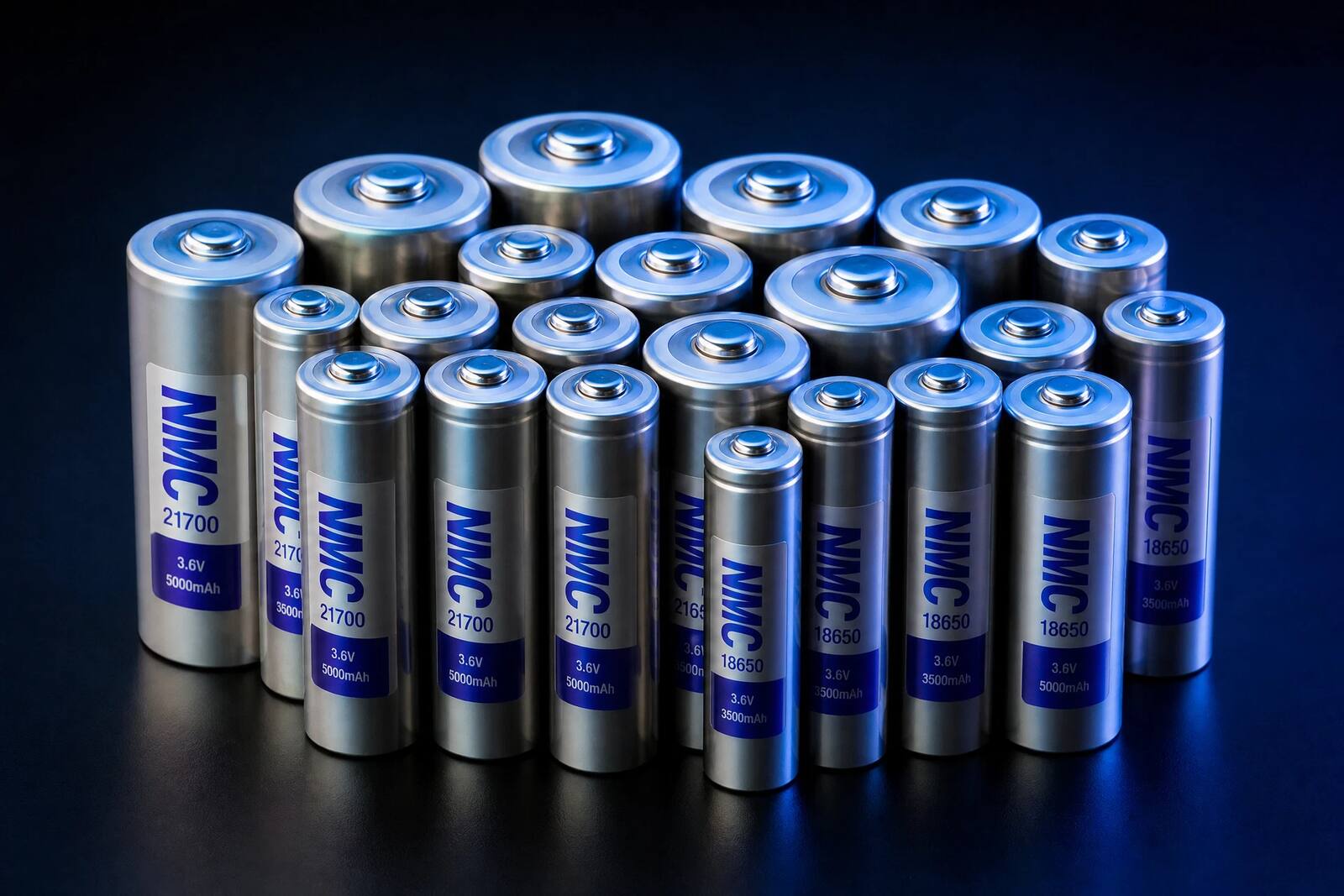
NMC and NCM are two names for the same chemistry: lithium nickel manganese cobalt oxide. Datasheets list the metals in either order, and grade numbers such as 532, 622 or 811 give the ratio of the three metals with nickel first. For pack design they're treated as one chemistry: about 3.6–3.7V nominal per cell and 4.2V at full charge, with higher energy density than LFP and a narrower thermal margin. If your specification says NCM, we read it as NMC.
Choosing LFP or NMC for a custom pack
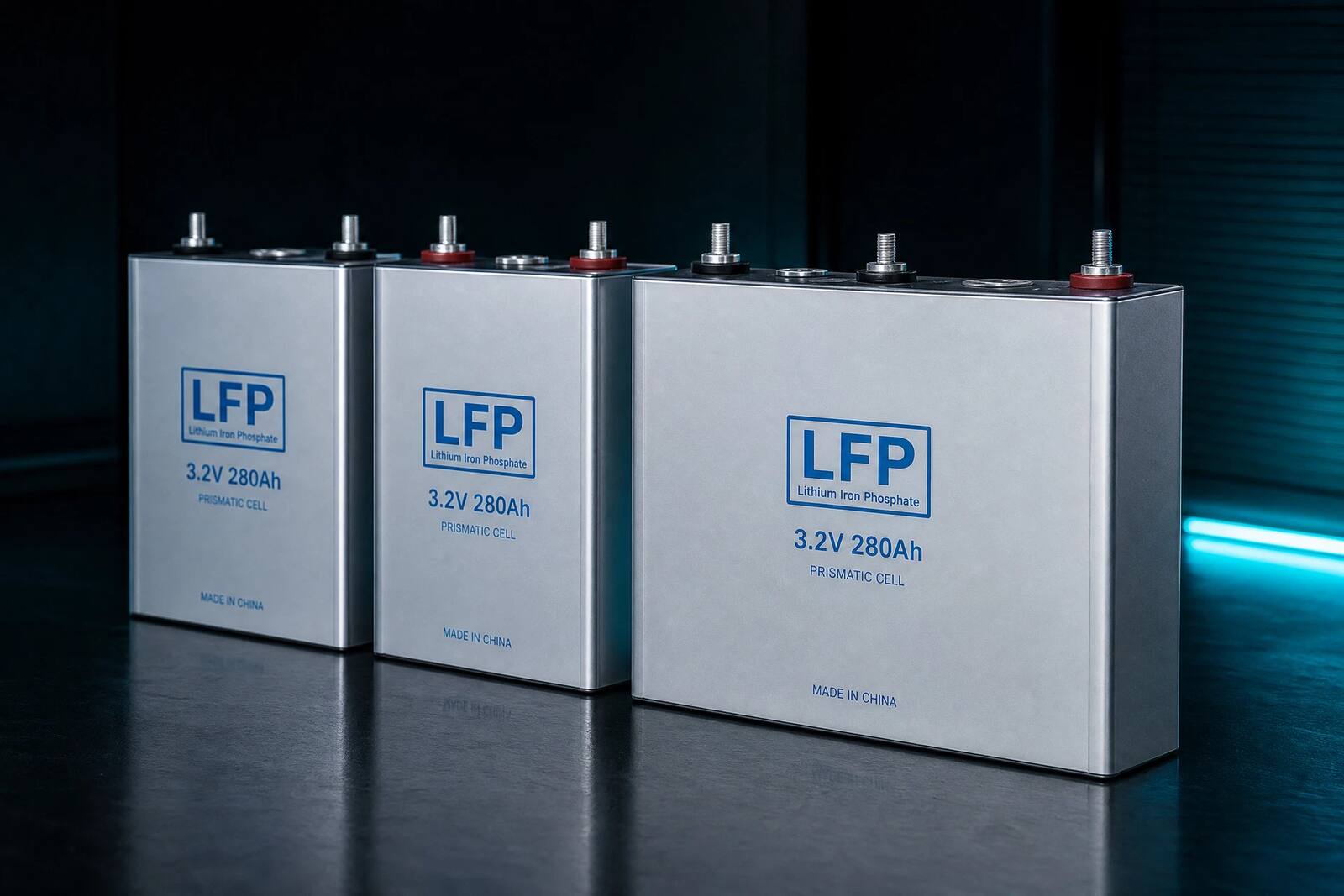
LFP is often selected for cycle life and thermal stability; NMC is often selected when energy density and weight are tighter constraints. Neither chemistry alone determines safety or suitability. Cell quality, current limits, thermal design, BMS protection, charging, enclosure, and validation must be evaluated together.
Browse battery pack reference designs or compare 48V examples. Include load and runtime data in a Get a Quote so the chemistry choice can be checked against the actual equipment.
From requirements to qualified volume production
LBC manages battery engineering, supplier selection, production, quality control, and delivery for OEM, industrial, defense, and commercial programs. Start with the application, voltage, load, runtime, available space, environment, communications, compliance needs, first-order quantity, and expected annual volume.
Catalog orders begin at 10 units and custom programs begin at 25 units. LBC supplies volume OEM programs. Final performance, sourcing, pricing, testing, and delivery commitments are confirmed for each program.
Explore the NMC 18650 cell lot.
LiFePO4 (LFP) vs. NMC Engineering Specification Comparison
| Parameter | LiFePO4 (LFP) | NMC |
|---|---|---|
| Nominal Cell Voltage (V) | 3.2V | 3.6–3.7V |
| Cell Energy Density (Wh/kg) | 90–160 | 150–220 |
| Cycle Life at 80% DoD | Project-specific | Project-specific |
| Operating Temperature Range (°C) | Defined for selected cells and charging conditions | Defined for selected cells and charging conditions |
| Thermal Runaway Threshold (°C) | 270°C+ | 150–210°C |
| Typical OEM Applications | Industrial vehicles, telecom backup, energy storage | Portable equipment, UAVs, weight-constrained systems |
OEM buyer questions
What should an OEM include when reviewing LFP and NMC chemistry selection?
Send the equipment application, voltage window, continuous and peak current, runtime, available space, charging source and required interfaces. LBC reviews these inputs before confirming a program specification.
What quantities apply to LFP and NMC chemistry selection programs?
Catalog battery pack programs start at 10 units. Custom battery pack programs start at 25 units. Include first-order quantity and annual volume with your request.
Can LBC coordinate LFP and NMC chemistry selection for North American OEMs?
LBC supplies OEM programs across the United States, Canada, and Mexico. Share the delivery country and timeline so transport documentation and cross-border ground freight can be reviewed with your quote.
Related OEM Engineering Guides
- Lithium Forklift Conversion: Ballast, Chargers & BMS
- Custom Lithium Battery Pack RFQ Checklist for Engineers
- Cylindrical, Prismatic & Pouch Cells for OEM Battery Packs
- Lithium Battery Pack Voltage: 12.8V, 25.6V & 51.2V Explained
- LFP vs NMC Battery Packs: Chemistry Selection for OEMs
- Custom OEM Battery Pack Manufacturer: Buyer’s Guide
- LFP Telecom Backup: Replacing VRLA and Lead-Acid Packs
- LFP Batteries for AGV Robots: Opportunity Charging Guide
- Lithium Battery Pack Standards: OEM Test Planning Guide
- 48V Lithium Battery Packs: LFP and NMC Options for OEMs
- Battery Management Systems: BMS Design for OEM Packs
- Electric Vehicle Battery Evolution: An OEM Design Guide
- Choosing a LiFePO4 Battery: Voltage, BMS and OEM Fit
- 12V 100Ah LiFePO4 Packs: Smart BMS and OEM Integration
- Renewable Energy and Lithium Storage: OEM Design Guide
- Military Battery Packs: Defense OEM Supplier Guide | LBC
- 12V Lithium Battery Selection: Compare LFP and NMC Packs
- Understanding 12V Lithium Packs: Voltage, BMS and Charging
- Lithium-Ion Battery Types: An OEM Pack Chemistry Guide
- How to Select a Lithium Battery Pack for OEM Equipment
- Tampa Drone & Defense Battery Packs: Why LBC Partners
A closer look