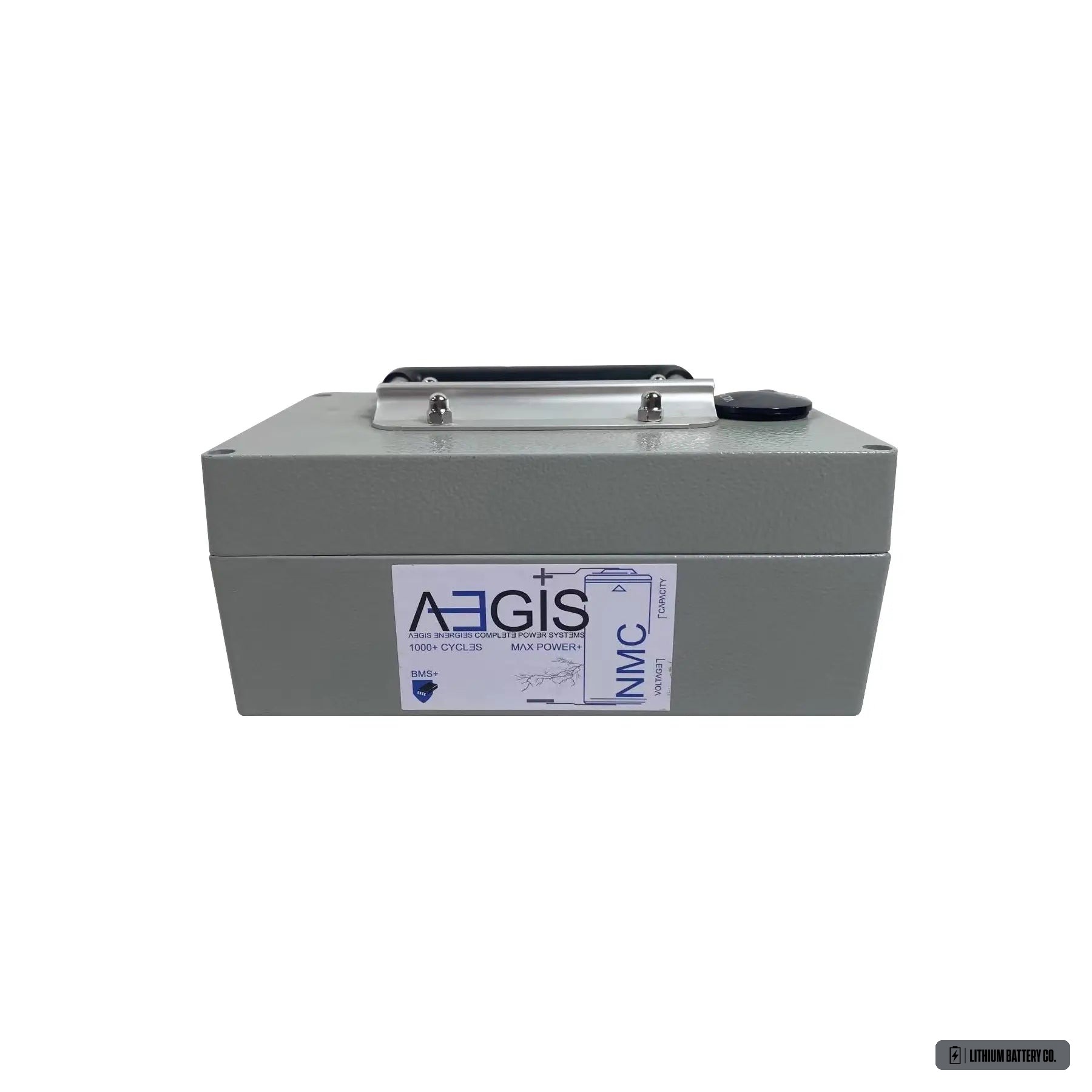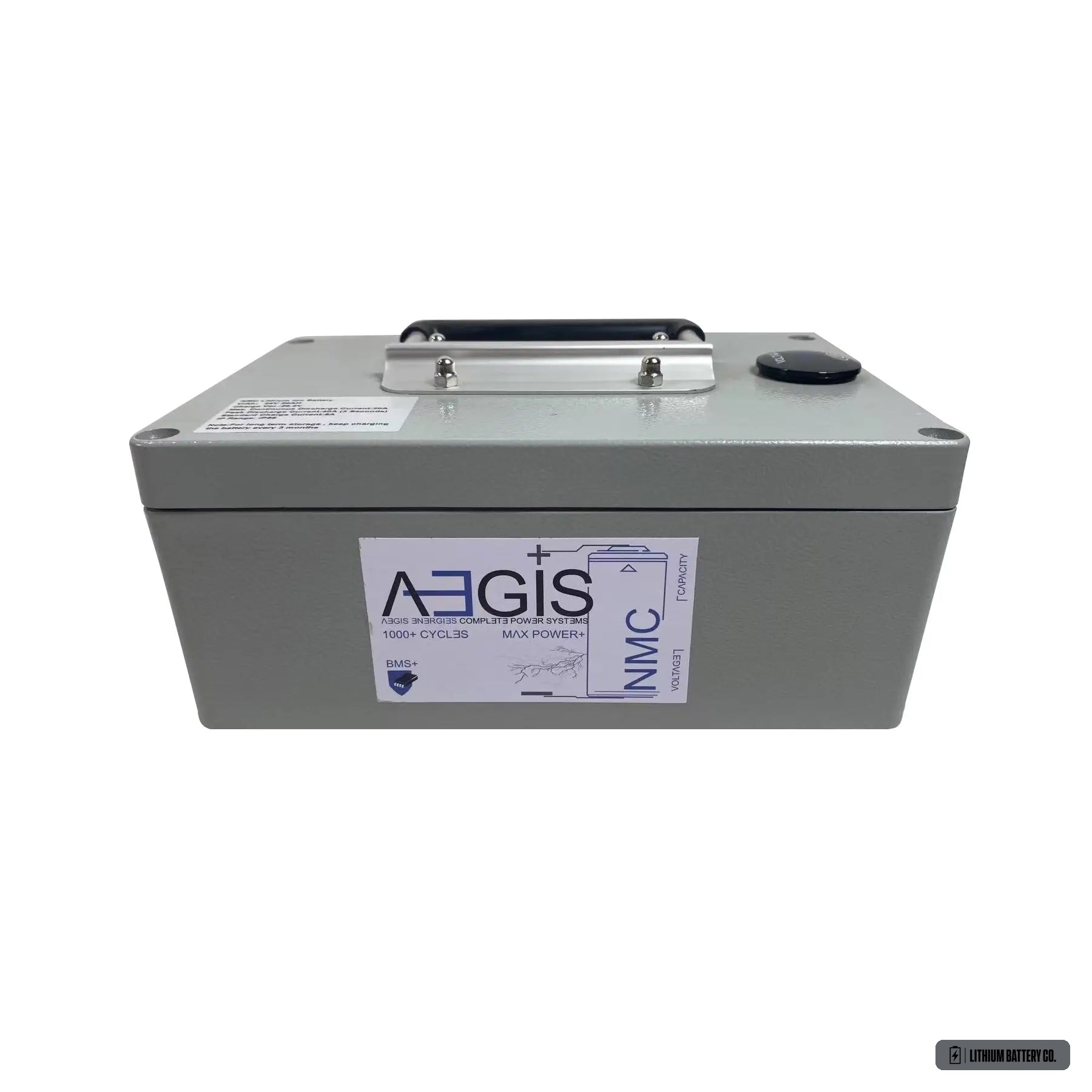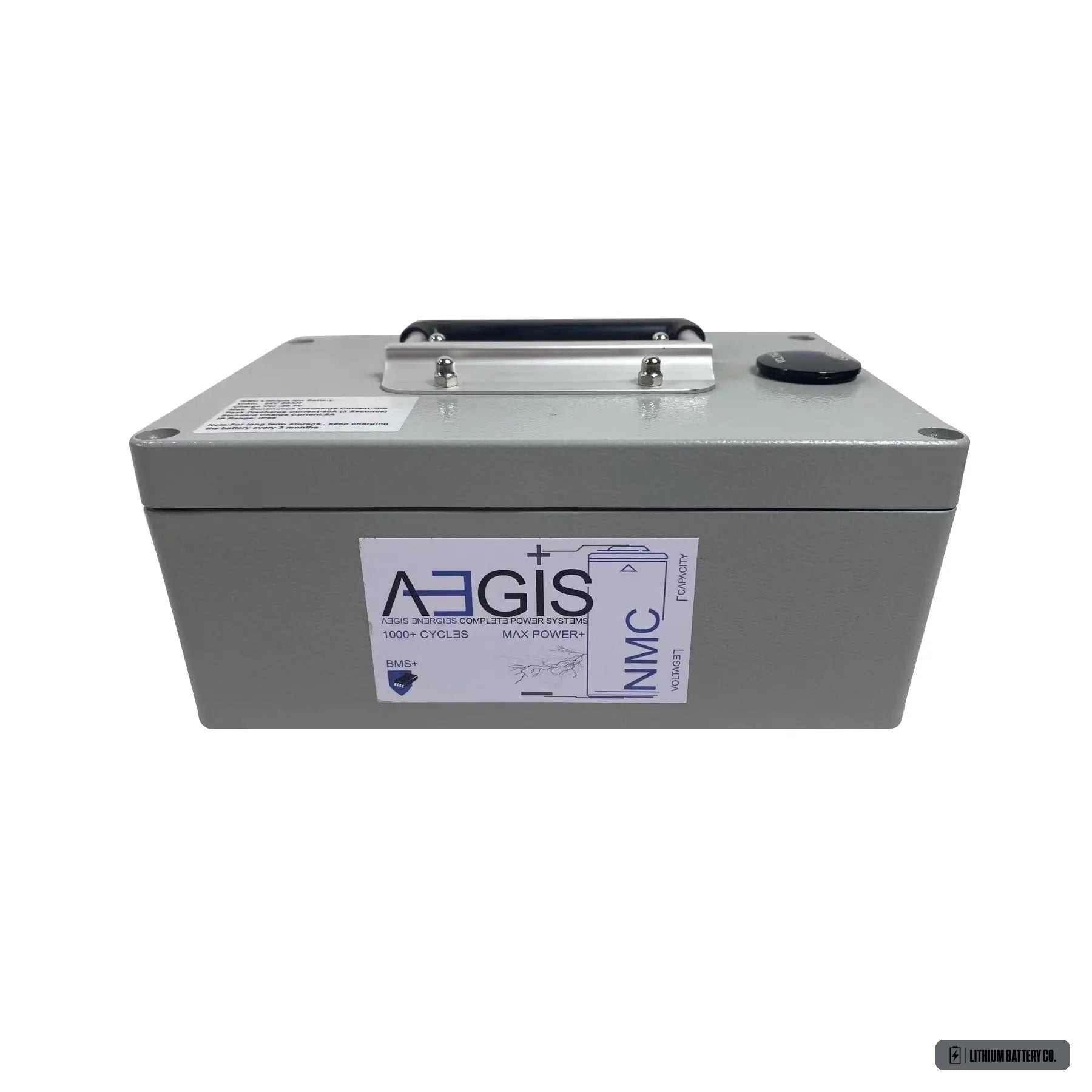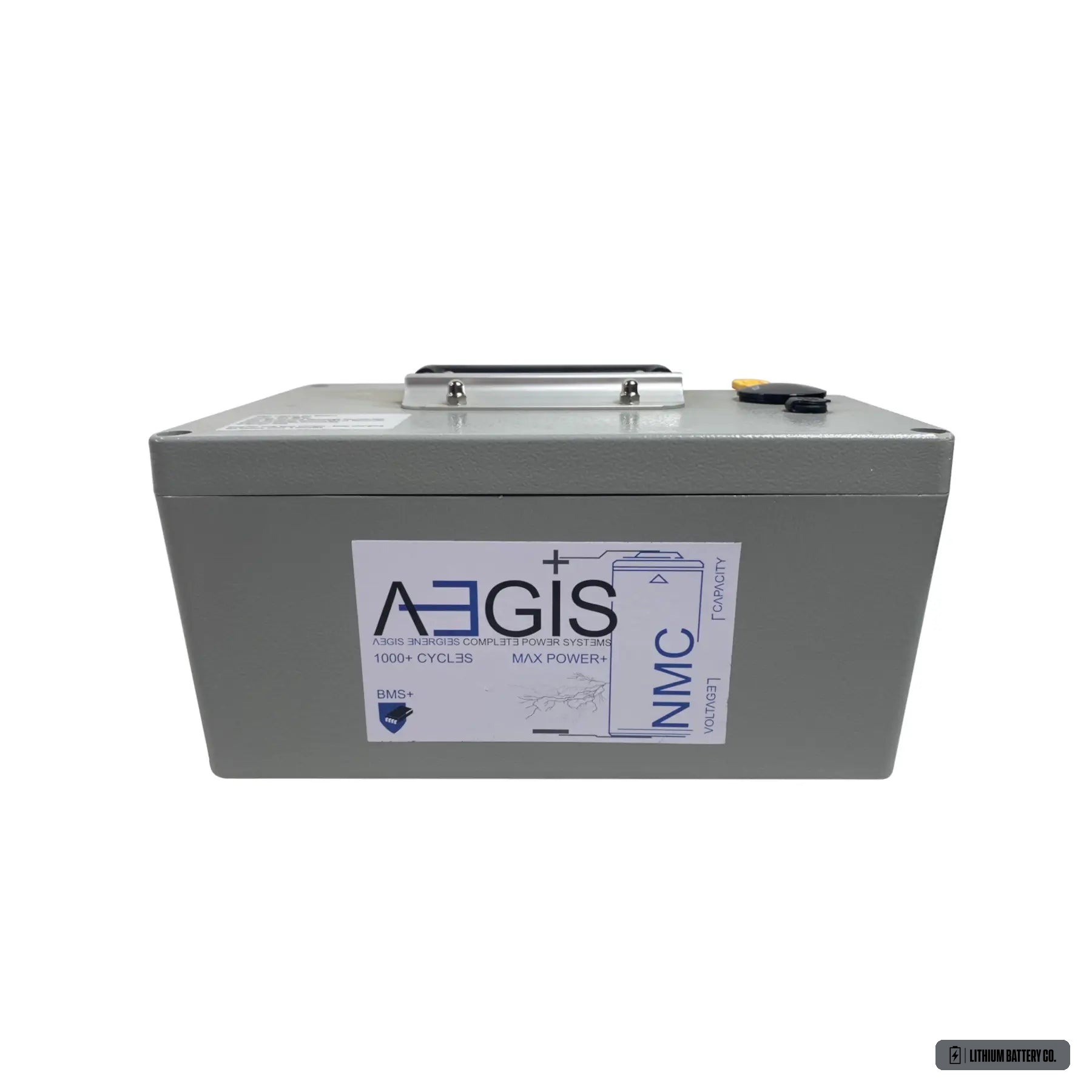
24V Lithium Battery Packs for OEMs | LiFePO4 & NMC
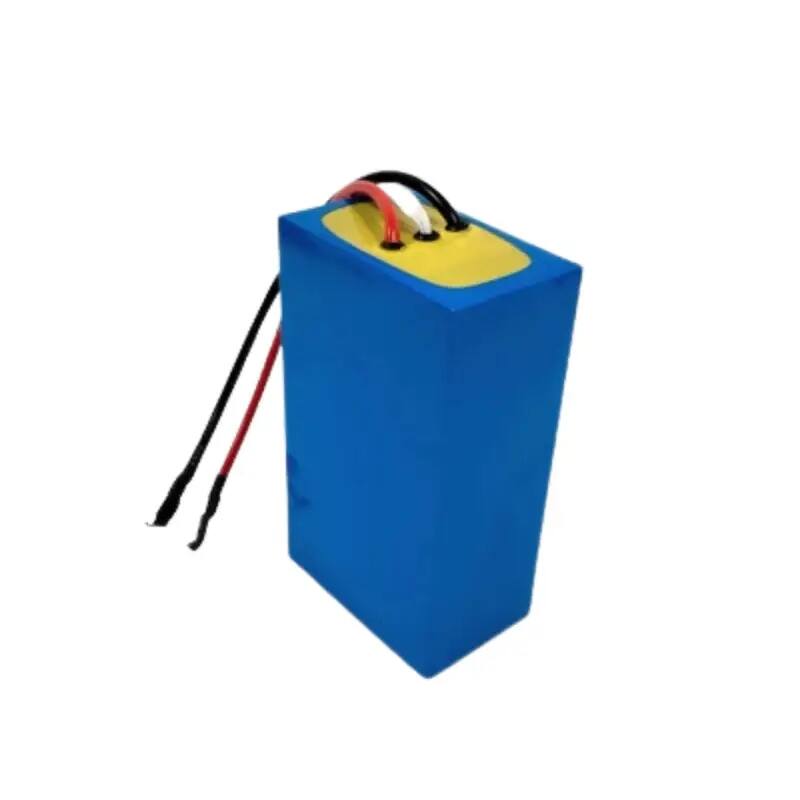
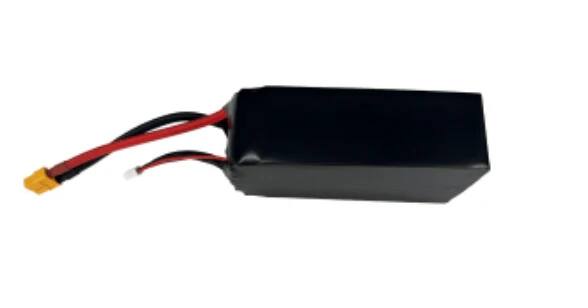
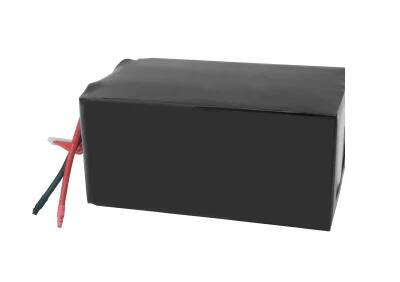
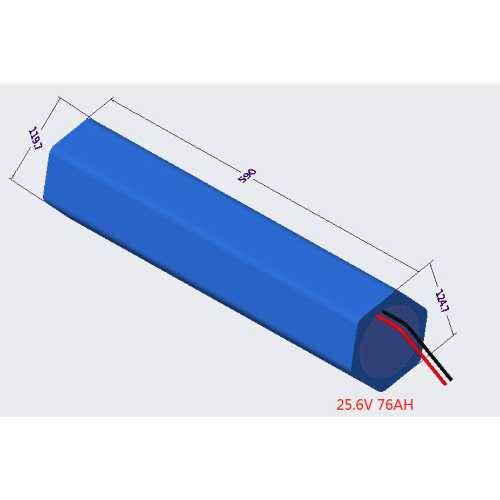
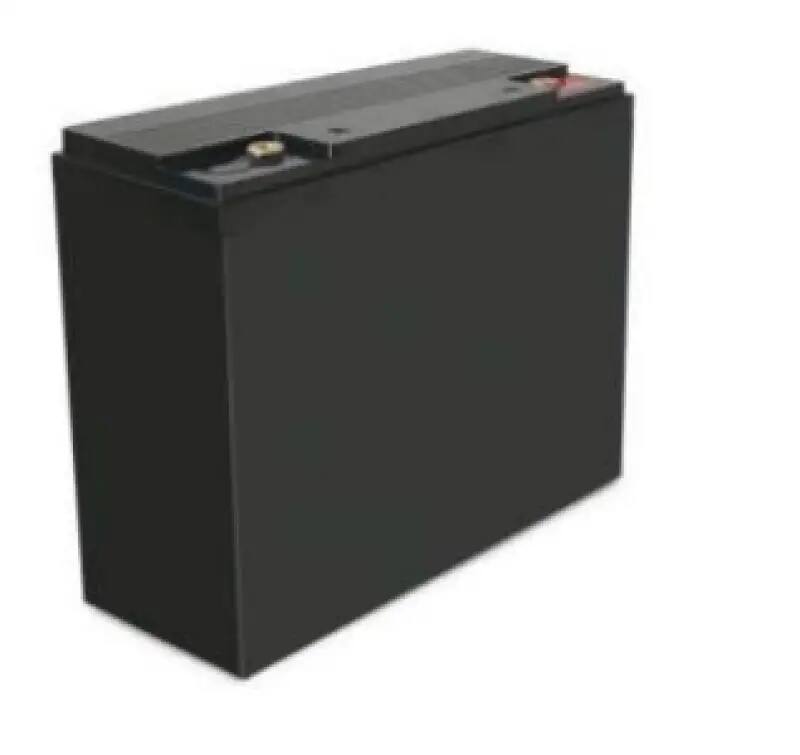
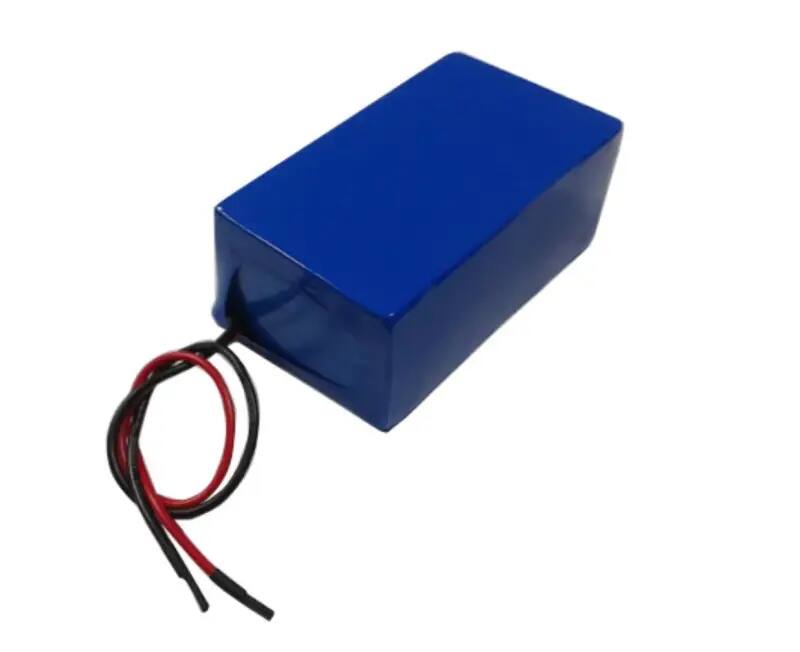
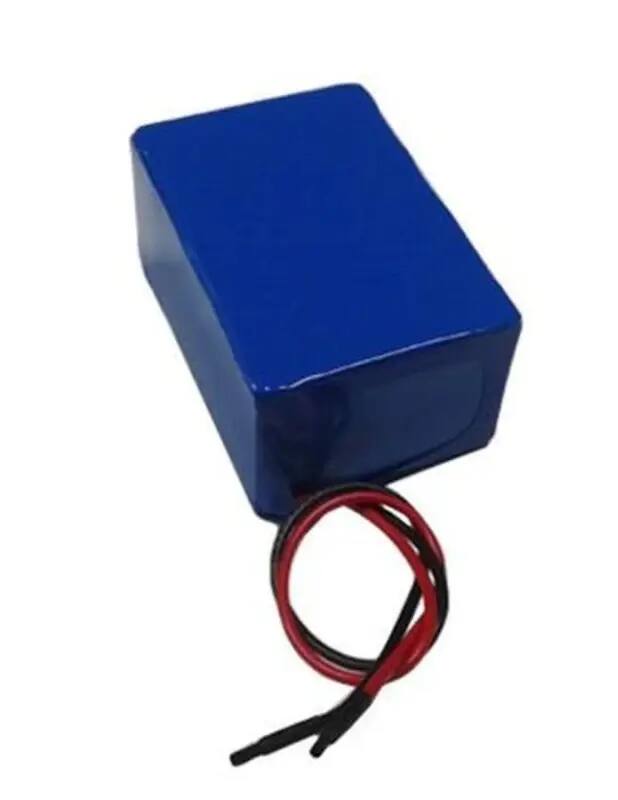
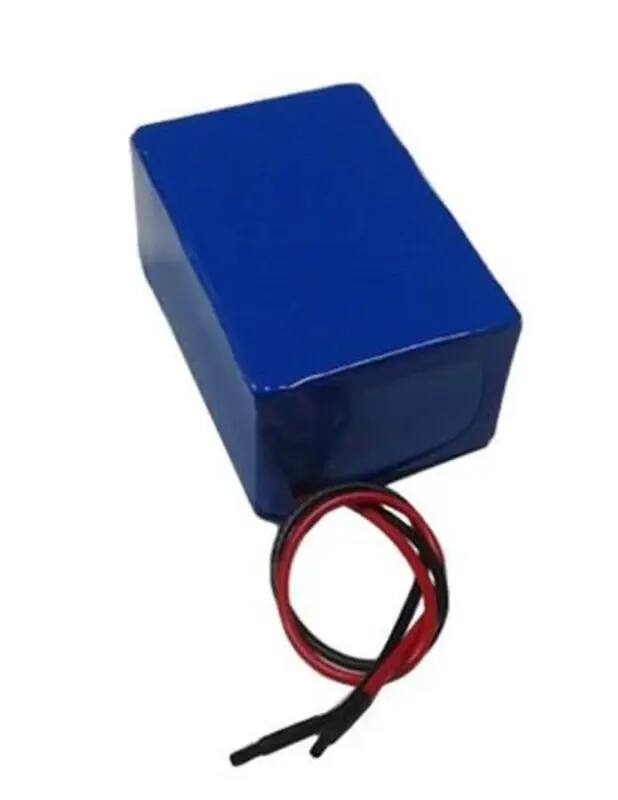
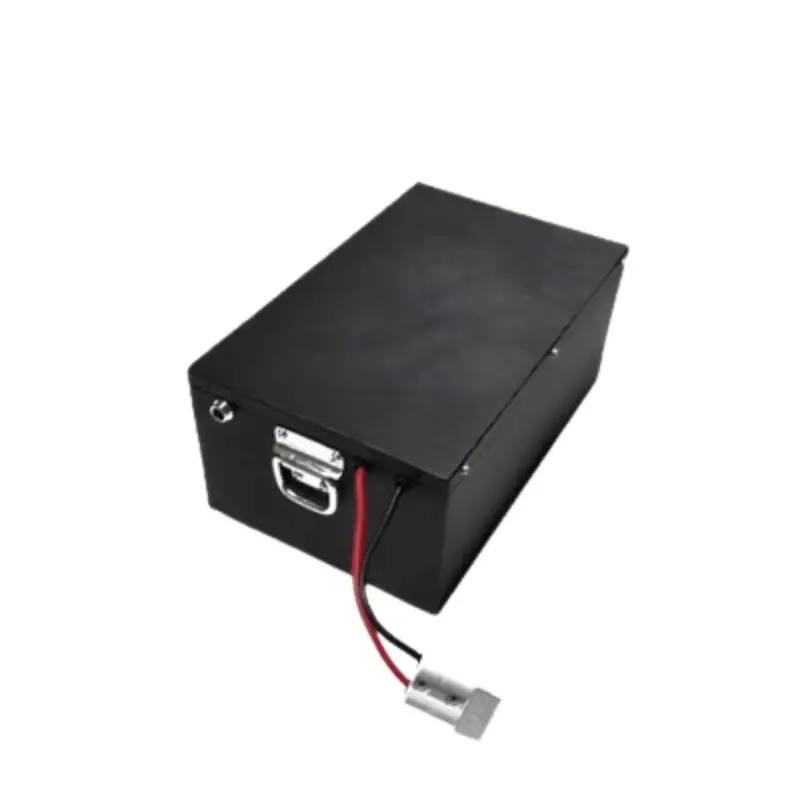
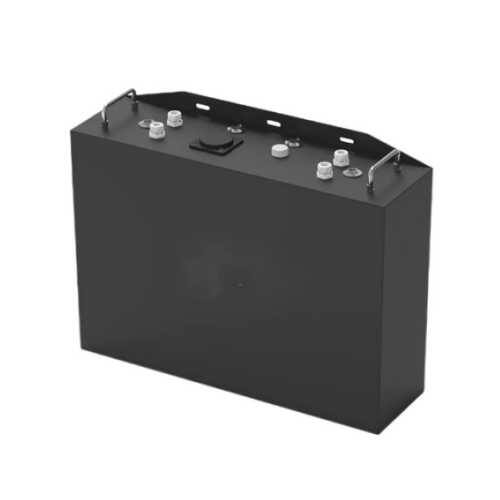
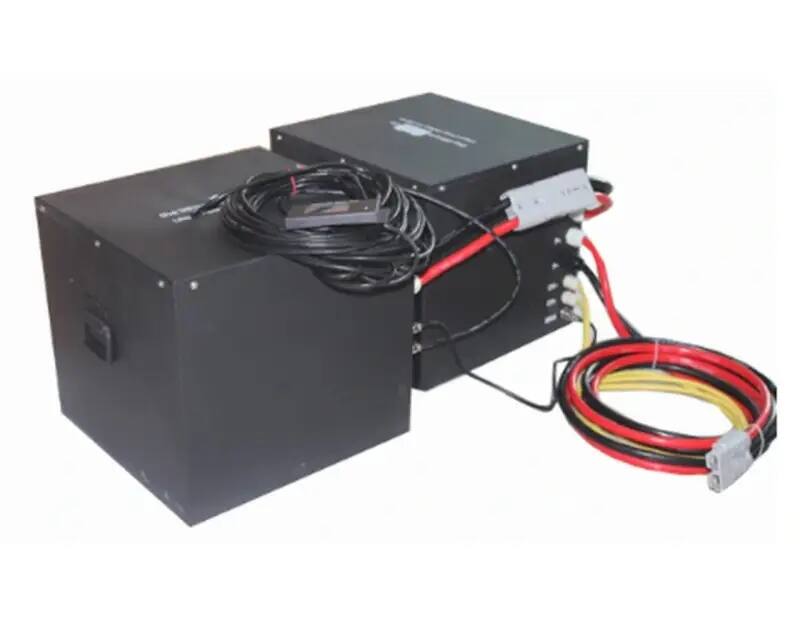
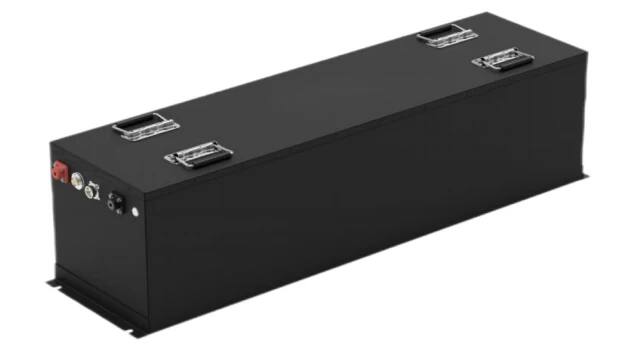
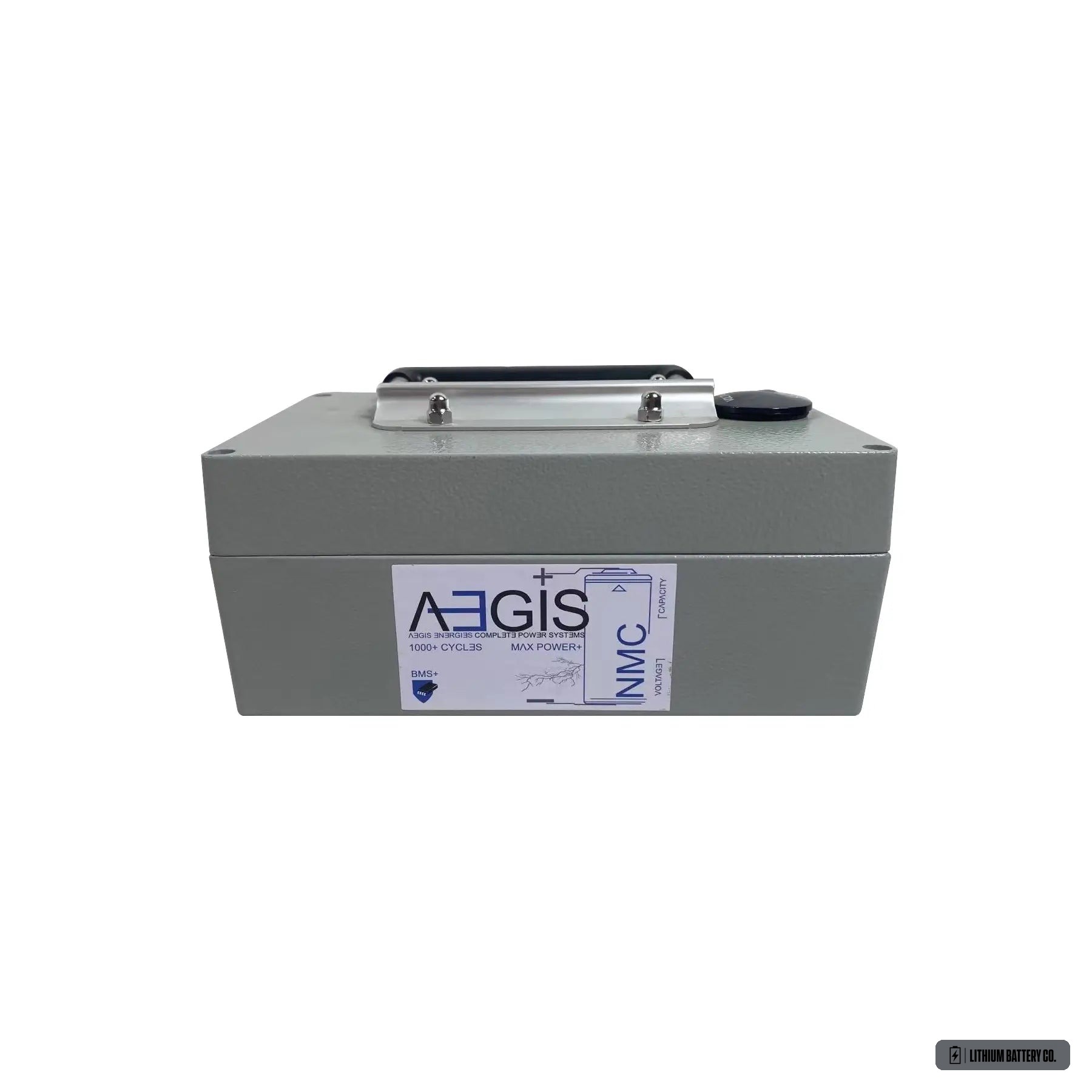
Lithium Battery Company supplies 24V-class LFP and NMC battery designs (22–28V, 1.5–600Ah) for OEM equipment. CANbus, RS485 and SMBus options are reviewed per design. Catalog programs start at 10 units; custom designs at 25. OEM delivery covers the United States, Canada, and Mexico with UN 38.3 transport documentation.
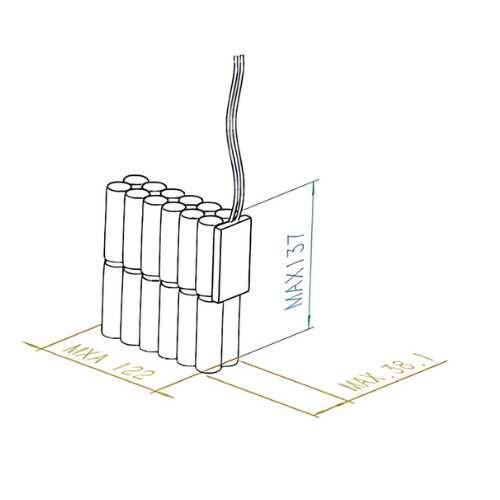
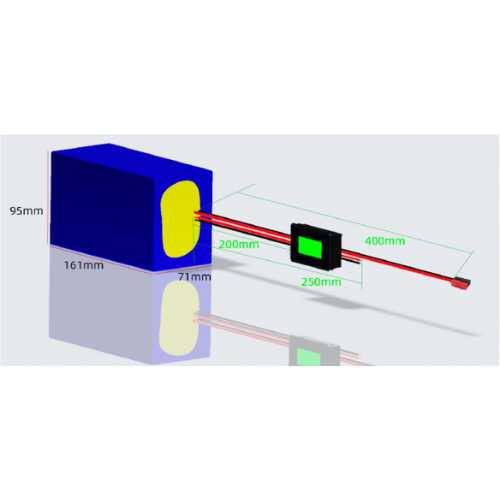
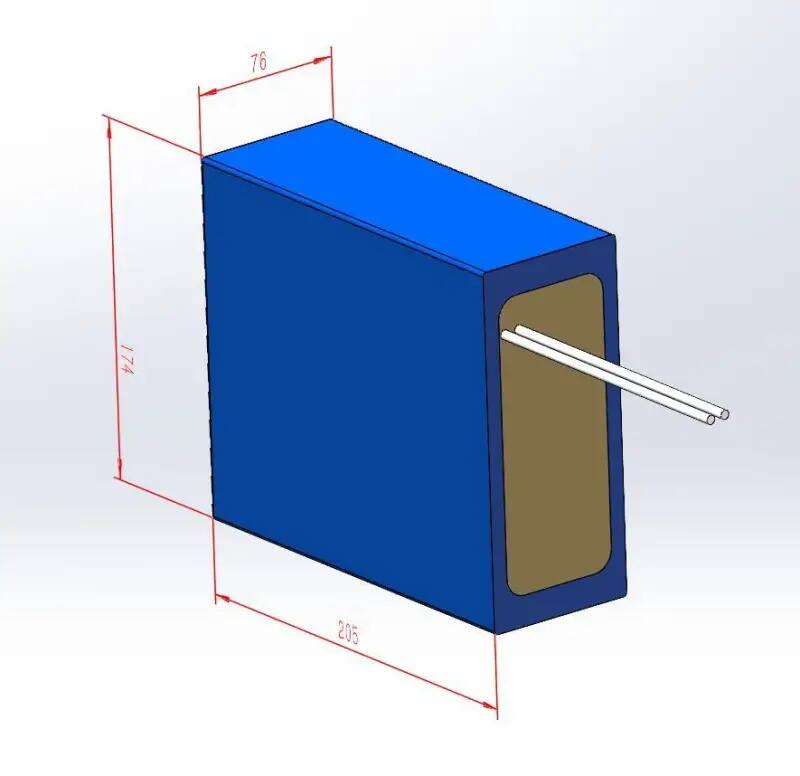
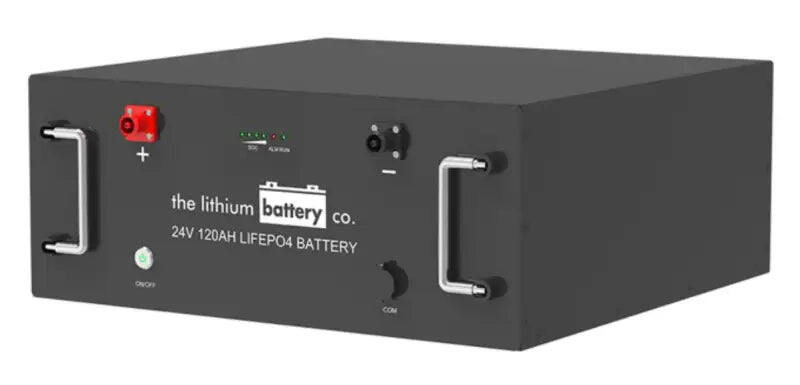
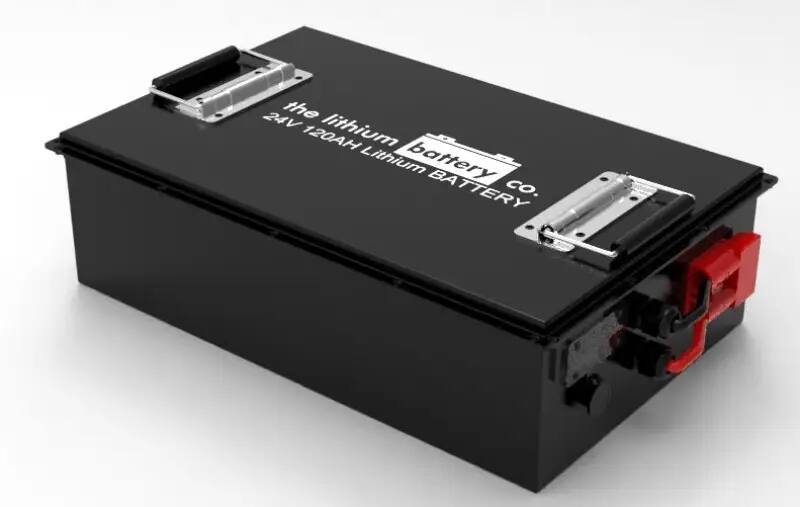
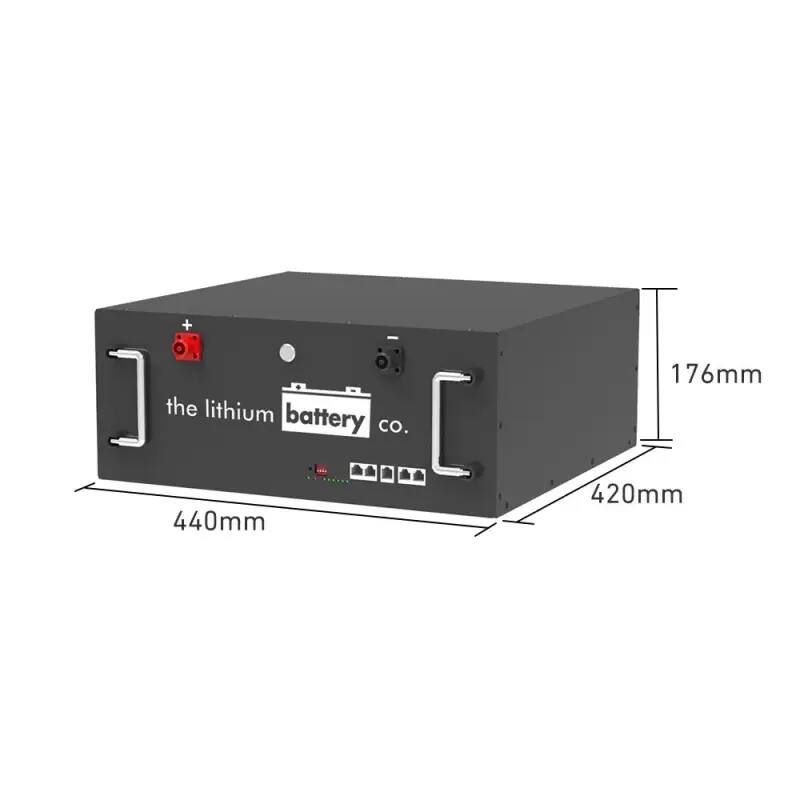
LBC designs custom 24V-class lithium battery packs for OEM and industrial equipment. Review the LFP and NMC reference designs below, then request a volume RFQ. Catalog reference designs start at 10 units. Custom configurations and new designs start at 25 units. LBC does not quote individual or one-off orders.
By application: Forklifts · Industrial equipment · AGV & robotics
Specifications on each page are reference values from the catalog record. Final electrical, mechanical and safety requirements are confirmed during project review.
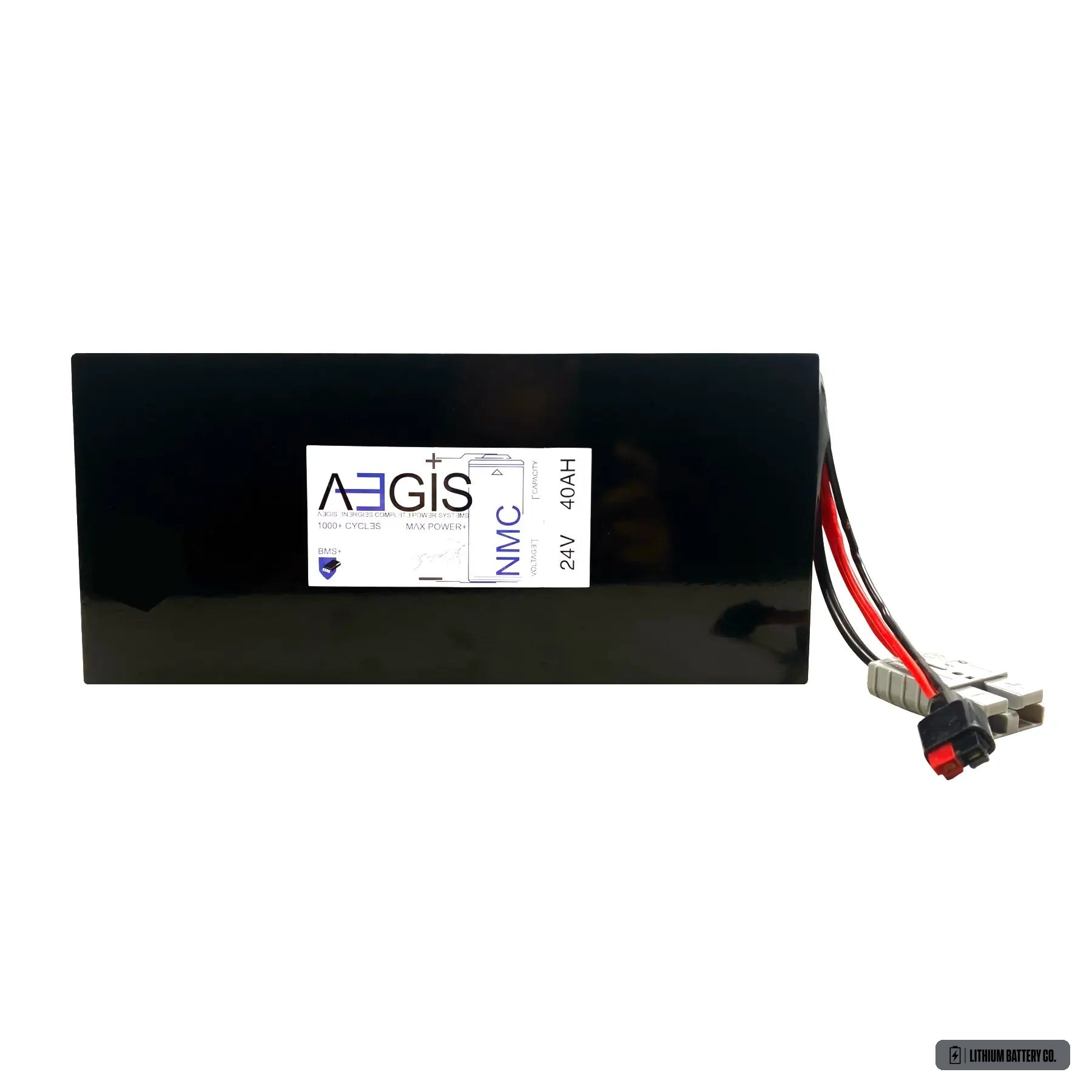
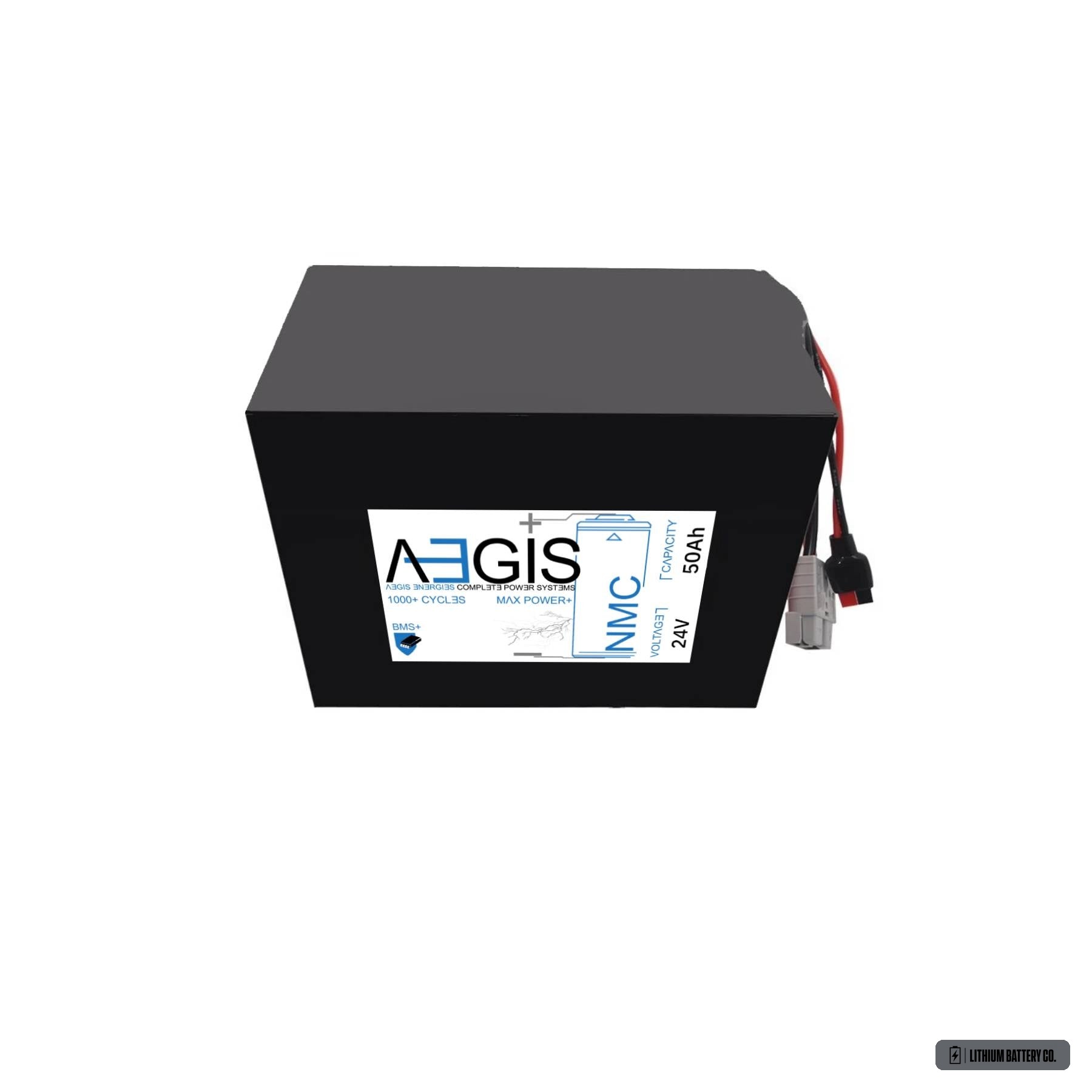
For larger LFP designs, see the 25.6V 40AH LFP reference design for material handling and AGV (1,024 Wh) or the 25.2V 50Ah NMC reference design, SKU LBC-25650.
What "24V-class" means
"24V" describes an equipment voltage class, not a complete specification. Nominal and full-charge voltage depend on chemistry and series count. Typical cell nominal voltages are about 3.2 to 3.3V for LFP and 3.6 to 3.7V for NMC. Eight LFP cells in series gives 8 × 3.2V = 25.6V, which is why LFP designs in this class are commonly named 25.6V. NMC reaches the same class with a different series count.
What matters is your controller's operating voltage window. Confirm it before you choose a pack.
Choosing capacity
Amp-hours alone can mislead. Energy in watt-hours is voltage multiplied by amp-hours (Wh = V × Ah), and the right size depends on your load. Start with continuous and peak power, duty cycle, target runtime, the usable state-of-charge window, reserve, and operating temperature.
Where 24V packs fit
24V-class packs are common in AGVs, material-handling equipment, and other industrial systems. See AGV and AMR battery pack design for the requirements those duty cycles place on a pack.
Chemistry, BMS, and charging
LFP is often selected for cycle life and thermal stability. NMC is often selected when energy density and weight are tighter constraints. Neither chemistry alone determines safety, so compare LFP and NMC against your actual load.
The BMS must match the cell count, chemistry, continuous and peak current, charge limits, temperature sensing, balancing, fault response, and any equipment communications. See BMS requirements for custom packs. The charger must respect those limits. The charger catalog includes 8S LFP 29.2V configurations. Each charger listing is a preliminary candidate: LBC confirms the battery series count, BMS charge-current limit, connector, polarity, and communications before release.
If you are replacing a lead-acid battery, read the lead-acid replacement checklist.
Start a 24V battery project
Send the application, voltage window, continuous and peak load, runtime, charger, available space, environment, communications, compliance requirements, first-order quantity, and annual volume. Get a Quote.
24V battery FAQ
What determines the right 24V battery capacity?
Start with continuous and peak power, duty cycle, target runtime, usable state-of-charge window, reserve, and temperature. Amp-hours alone can be misleading unless the voltage and load profile are included.
Is a 24V battery always 24 volts?
No. 24V is a voltage class. Nominal and full-charge voltage depend on chemistry and series count. For example, eight LFP cells in series is about 25.6V nominal. Check the voltage window of your controller and charger.
Which requirements matter for high-power 24V systems?
Document peak discharge, regenerative or charge current, fusing, connector ratings, communications, thermal limits, vibration, and fault behavior. High-power systems often fail at the interfaces.
What should a 24V RFQ include?
The application, voltage window, continuous and peak load, runtime, charger, available space, weight target, environment, connectors, communications, compliance requirements, first-order quantity, and annual volume.
What is the minimum order?
Catalog reference designs start at 10 units. Custom configurations and new designs start at 25 units.