
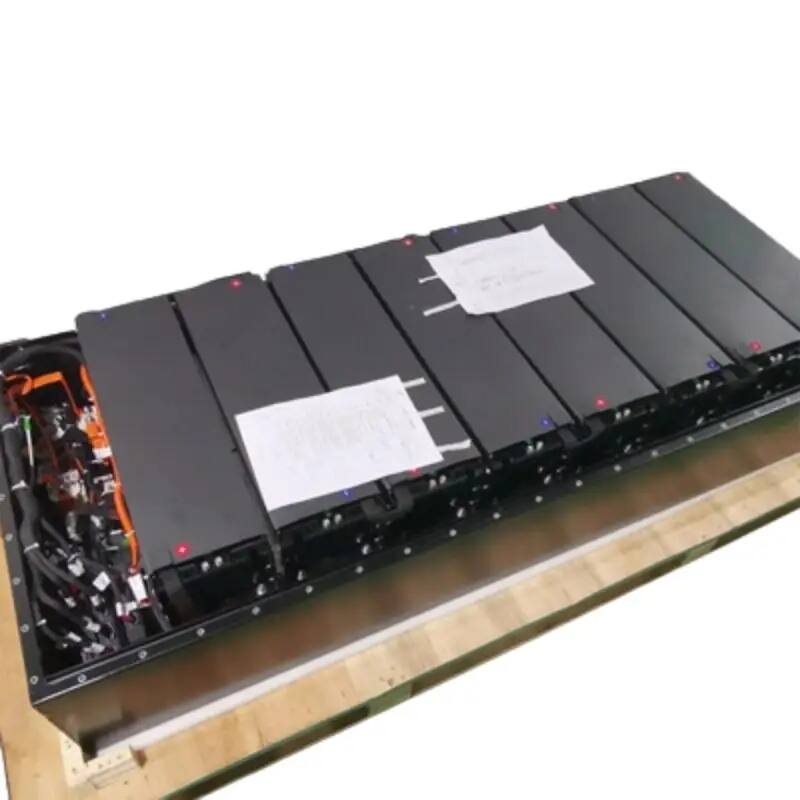
Energy Storage Lithium Battery Packs for OEMs
Lithium Battery Company supplies 48V/96V-class LFP and NMC battery designs (46–111V, 5–600Ah) for OEM equipment. CANbus, RS485 and SMBus options are reviewed per design. Catalog programs start at 10 units; custom designs at 25. OEM delivery covers the United States, Canada, and Mexico with UN 38.3 transport documentation.
LBC / Energy Storage
LBC designs energy storage lithium battery packs for commercial OEM systems and integrators. Pack requirements begin with usable energy, power, voltage window and duty cycle, then the inverter, charger, BMS communications and enclosure. Catalog reference designs start at 10 units; custom pack programs start at 25, with lead times confirmed in the quote.
Why choose LBC for energy storage battery packs
Power, usable energy and duty cycle
Define charge and discharge power, usable energy and the operating duty cycle.
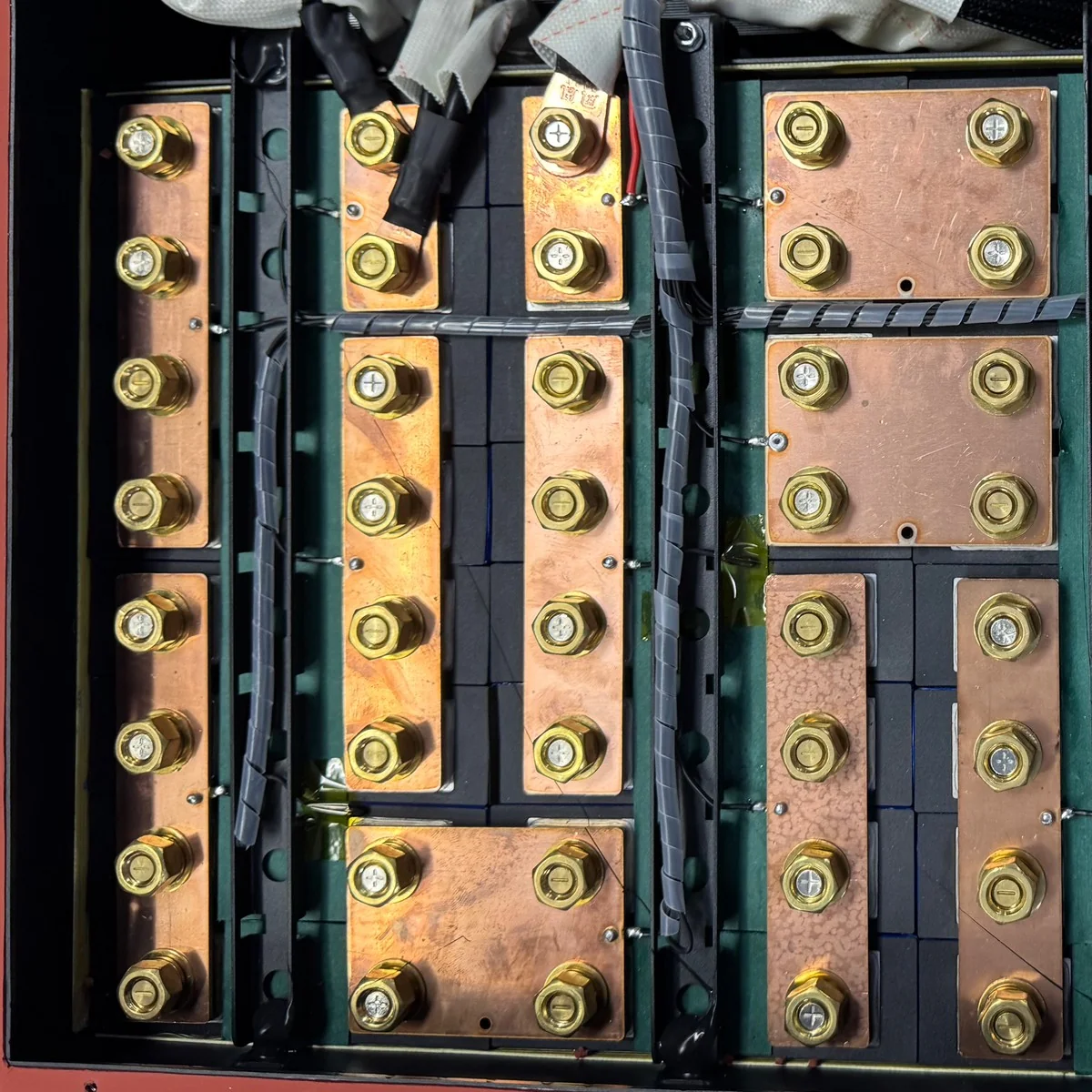
Inverter and charger compatibility
Match the pack voltage window and communications to the inverter and charger.
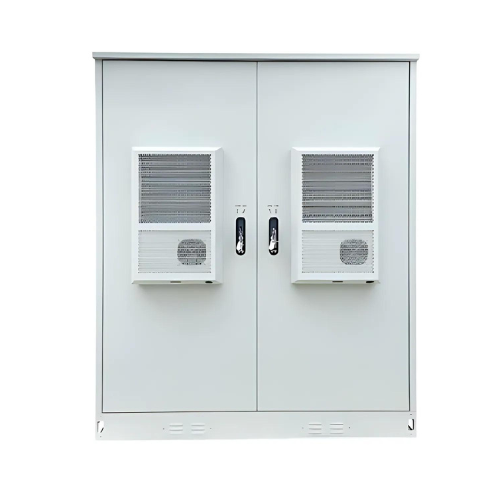
Protection, thermal design and monitoring
Plan protection, thermal design and monitoring around the approved system configuration.
Start your spec
Send equipment load, runtime, voltage window, available space and quantities for a pack proposal.
Get a Quote →Design / Integration
Recommended pack types for energy storage
LFP modules and packs matched to usable energy, inverter interfaces and duty cycle.
Send your voltage window, load, runtime and equipment interfaces.
Get a Quote ↗Catalog from 10 units · Custom from 25.
How custom battery quoting works →Lithium Battery Company designs and builds lithium battery packs and modules for companies that make commercial and industrial (C&I) energy storage systems: storage-cabinet and inverter OEMs, system integrators, and equipment makers adding storage to their products. Since 2014 we've produced hundreds of thousands of packs for OEM programs. We supply the battery: cells, BMS, module and pack design. You keep control of the system, inverter and site.
Catalog reference designs start at 10 units and custom programs at 25 units. We support commercial and industrial volume programs.
What C&I storage buyers specify
- System voltage. Low-voltage 48V-class (51.2V) rack modules for smaller systems and telecom-style DC buses, or high-voltage stacks (hundreds of volts) for larger inverter-coupled systems.
- Energy and power. Usable energy, continuous and peak power, and C-rate shape the cell format and the number of modules in parallel or series.
- Scalability. Stackable or rack modules that add capacity in steps, with addressing, current sharing and pre-charge designed for the largest configuration you plan.
- BMS and inverter communication. CAN or RS485 with the protocol your inverter or energy-management system expects, including charge and discharge limits the inverter must respect.
- Thermal design. Cabinet airflow, heating for cold-climate charging, and derating at high temperature.
- Safety and system documentation. Your system test plan defines what the battery must provide: test data, drawings, BMS settings and documentation. We review those requirements with you per program; catalog designs don't carry a system listing.
Why LFP for stationary storage
LFP (LiFePO4) is the usual chemistry for stationary storage because of thermal stability and service life, with energy density rarely the deciding factor in a cabinet. NMC is still used where space or weight is tight. Compare LFP and NMC.
Typical C&I uses
- Peak shaving and demand-charge reduction for commercial sites
- Solar self-consumption and time-of-use shifting
- Backup power for critical loads, often combined with telecom or IT backup
- Mobile and temporary power systems built by equipment OEMs
- Microgrids and off-grid industrial sites
Integration support
We work with your system team on module electrical and mechanical interfaces, BMS parameters and the communication map to your inverter or EMS, and the documentation your test path needs. See battery management systems for custom packs.
Program steps and lead times
Requirements review → module or pack design → prototype and integration testing with your inverter → pilot → volume, under documented change control. Lead times run from weeks to months depending on cell availability, design scope and validation; your quote confirms them.
What to send
System voltage, usable energy, continuous and peak power, number of modules per system, inverter or EMS model and protocol, cabinet or rack format, environment, test plan, first-order quantity and annual forecast. Get a Quote.
Related resources
- 48V Battery Pack
- Battery Packs
- Chemistries
- Battery Management System
- Telecom
- Battery Supplier Replacement
Need a non-standard module size or voltage? See custom lithium-ion battery packs and LiFePO4 battery packs.
Energy Storage battery pack FAQ
Do you supply complete commercial energy storage systems?
We design and build the battery: cells, BMS, modules and packs, plus reference systems in our catalog. Inverter, site design and installation stay with the system OEM or integrator.
Low-voltage rack modules or a high-voltage stack: which should we use?
48V-class rack modules suit smaller systems and DC-bus applications. High-voltage stacks suit larger inverter-coupled systems where higher voltage reduces current and cabling. Your inverter sets the window.
Can the BMS communicate with our inverter?
Yes. The BMS can be specified with CAN or RS485 and mapped to your inverter or EMS protocol, including charge and discharge limits.
What requirements are reviewed during a custom energy storage quote?
During the custom quote, LBC reviews system voltage, usable energy, charge and discharge power, duty cycle, inverter or EMS interface, cabinet or rack format, environment, first-order quantity and annual forecast.
What is the minimum order and lead time?
Catalog reference designs start at 10 units and custom programs at 25. Lead times run from weeks to months; your quote confirms them.
How does an energy storage battery program move into volume production?
A program moves from requirements review to module or pack design, prototype, pilot and volume production under documented change control. Lead times run from weeks to months and are confirmed in the quote.