

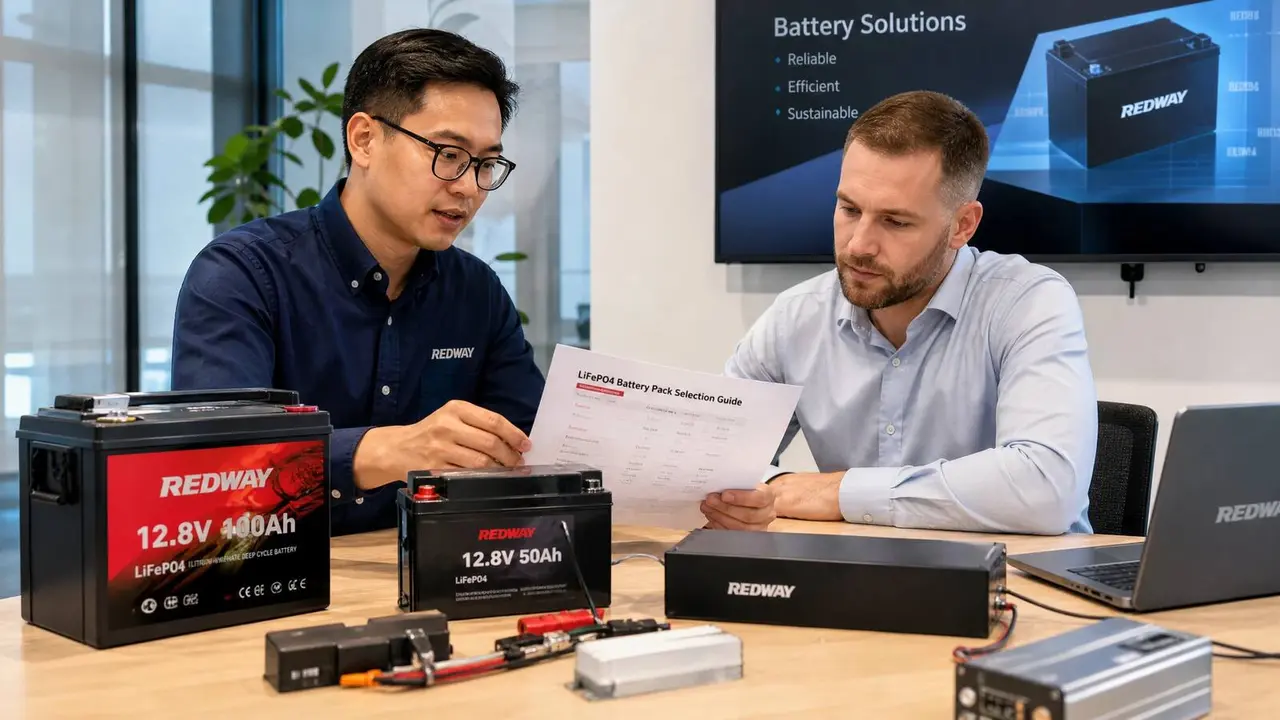
There are many different types of lithium-ion batteries on the market, and it can be difficult to know which one is right for your needs. Lithium batteries are a newer technology that offers a lot of advantages over traditional lead-acid batteries. If you are considering making the switch to lithium, here is what you need to know in order to choose the correct battery for your needs.
Types of Lithium Batteries
There are two main types of lithium batteries relevant to most applications: lithium-ion (Li-ion, including NMC) and lithium-iron phosphate (LiFePO4/LFP).
LFP batteries are a good choice if you are looking for a long-lasting battery with excellent safety characteristics. NMC batteries offer higher energy density, making them the better choice for applications where weight and size are the primary constraints.
Lithium batteries have a number of advantages over traditional lead-acid batteries. They can be discharged and recharged much more than lead-acid batteries without damaging the cells. Additionally, lithium batteries are not subject to the "memory effect," meaning that they can be recharged at any time without reducing their capacity. Finally, lithium batteries are much lighter than lead-acid batteries, making them ideal for use in portable applications.
How to Choose the Right Lithium Battery
Step 1: What Voltage Do I Need?
The voltage of a lithium battery is an important consideration when choosing a battery for your application. The most common voltages for lithium batteries are 12V, 24V, 36V, and 48V.
The first step in determining the voltage your application needs is to identify the voltage that your system operates at. For drop-in lead-acid replacements, match the voltage of the battery you are replacing. For new designs, select the voltage that your system is designed for.
Step 2: What Capacity (Ah) Do I Need?
Next, determine how much capacity in amp-hours (Ah) you need.
For replacing lead-acid batteries: If you are replacing lead-acid or AGM batteries, you can typically use the same Ah rating. However, because lithium batteries can be safely discharged to a much lower state of charge than lead-acid, you may be able to use a smaller lithium battery and still get the same usable energy.
For new designs: Calculate your energy requirement:
- Determine your average current draw (amps)
- Determine your required runtime (hours)
- Multiply: Required capacity (Ah) = Current (A) × Time (h)
- Add a 20% buffer for safety
Step 3: What Discharge Rate Do I Need?
The discharge rate (C-rate) determines how quickly you can draw power from the battery. A 1C discharge of a 100Ah battery delivers 100 amps. A 2C discharge delivers 200 amps.
For most applications, a 1C continuous discharge rate is sufficient. High-power applications — power tools, UAVs, high-performance vehicles — may require 2C or higher.
Make sure the battery's BMS is rated for your maximum current draw, including startup surges.
Step 4: What Form Factor Do I Need?
Lithium batteries come in a variety of form factors. For drop-in replacements, you need a battery that fits in the same space as the battery you are replacing. For new designs, you have more flexibility.
Common form factors:
- Group 24, 27, 31: Standard marine and RV battery sizes
- Custom: For OEM applications with specific dimensional requirements
- UN38.3: Required for shipping lithium batteries by air
- UL: Required for many US market applications
- CE: Required for European market applications
- IEC62133: International standard for portable sealed secondary lithium cells
- MIL-STD-810: Required for military applications
- US-based engineering and support
- Transparent cell sourcing (know what cells are inside your pack)
- Comprehensive testing and quality control
- Experience with your specific application type
- Ability to scale from prototype to production
Step 5: What Certifications Do I Need?
Depending on your application, you may need your battery to be certified to specific standards:
Step 6: Choose Your Supplier
The battery supplier is as important as the battery specification. Look for:
Lithium Battery Company checks all of these boxes. Contact us to discuss your battery requirements and get a quote for your application.