

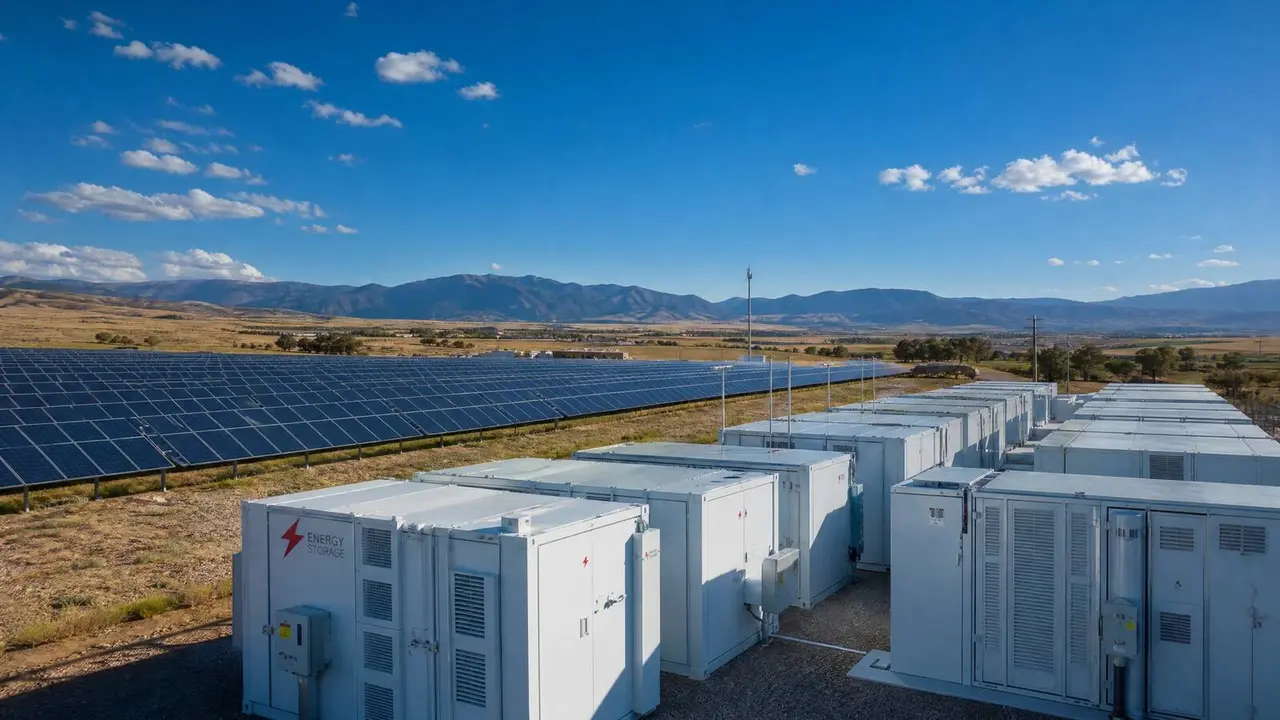
The drive for sustainability has ushered in an era where renewable energy sources are not just a promising technology but an axis on which our future turns. The clamor for cleaner, more efficient power solutions has never been louder, and with good reason. As the implications of climate change grow more daunting, individuals, businesses, and governments are all looking to renewable energy to mitigate environmental damage and secure a sustainable path forward.
Understanding the Basics of Renewable Energy
Renewable energy comes from sources that are naturally replenished, unlike traditional fossil fuels that are finite and damaging to the environment. The production of renewable energy relies on technology that harnesses sunlight, wind, water, geothermal heat, and organic materials. This renewable approach offers a steady and inexhaustible stream of energy without the carbon footprint synonymous with coal, oil, and natural gas.
Why Renewable Energy Matters
The urgency of transitioning to renewable energy sources is underscored by the clear and present danger of climate change. By reducing greenhouse gas emissions, preserving natural resources, and minimizing pollution, renewable energy serves as a linchpin for a sustainable future.
Types of Renewable Energy
Solar Power
Solar energy technology utilizes photovoltaic cells to transform sunlight directly into electricity. The electricity generated can power anything from individual appliances to entire cities. The benefits of solar power are vast, including abundant availability, modularity, and scalability of systems, as well as the reduction of electricity costs.
Wind Power
Wind energy harnesses the kinetic energy of moving air through wind turbines. Wind farms can range from a few turbines to hundreds, often located onshore or offshore, and can significantly contribute to the energy grid. The advantages include a low environmental impact per unit of electricity generated and relatively low operational costs once the turbines are installed.
Hydropower
Hydropower employs the energy from moving water to generate electricity. This can include huge hydroelectric dams that store large volumes of water to smaller run-of-river or tidal power plants. The advantages are its immense scale and reliability, as well as its storability which allows for energy generation on-demand.
Biomass Energy
Biomass energy is derived from organic materials that were once living, such as plants, wood, and waste. This energy can be used for heating, electricity, and fuel production. The use of biomass can be sustainable if the energy source is produced responsibly, such as through waste-to-energy processes.
Geothermal Energy
Geothermal energy is the heat from the Earth. It is clean and sustainable and can be harnessed for electricity generation, and for heating and cooling purposes. The benefits include reliability, sustainability, and the small land footprint of power plants.
The Critical Role of Energy Storage
Renewable energy sources like solar and wind are intermittent — they produce power when the sun shines and the wind blows, not necessarily when demand peaks. Energy storage is the technology that bridges this gap.
Lithium-ion batteries are the dominant energy storage technology for both grid-scale and distributed applications. Their combination of energy density, cycle life, and cost-effectiveness makes them the preferred choice for pairing with solar and wind installations.
Grid-Scale Storage: Large lithium-ion battery systems can store excess renewable energy during periods of high generation and discharge it during periods of high demand, smoothing out the variability of renewable sources and reducing the need for fossil fuel peaker plants.
Distributed Storage: Residential and commercial solar installations paired with lithium battery storage allow building owners to maximize self-consumption of solar energy, reduce grid dependence, and provide backup power during outages.
Commercial and Industrial (C&I) Storage: Large-scale battery systems for commercial and industrial facilities can reduce demand charges, participate in grid services markets, and provide resilience against grid outages.
Economic Benefits of Renewable Energy
Job Creation
The renewable energy industry is a significant and growing source of jobs worldwide. Activities such as manufacturing, installation, maintenance, and research and development in the renewable sector create jobs at a higher rate compared to the traditional energy sector.
Cost-Effectiveness
While the initial investment in renewable energy infrastructure can be higher than traditional sources, the ongoing operational costs are generally lower. Over time, as technology advances and economies of scale are realized, the costs of renewables continue to decrease.
Energy Independence
Adopting renewable energy technologies can reduce a country's reliance on imported fossil fuels. By diversifying the energy mix, nations can achieve greater security in their energy supply.
The Future of Renewable Energy
Looking ahead, renewable energy is poised to play a leading role in the global energy matrix. Industry forecasts indicate strong growth in the renewable energy sector, with sharp increases in installed capacity and energy output. This trend is driven by falling technology costs, rising consumer demand, and supportive government policies.
The integration of renewable energy with advanced storage solutions — particularly lithium-ion batteries — will be central to achieving a fully sustainable energy system. Lithium Battery Company is proud to be part of this transition, manufacturing the battery packs that make renewable energy reliable, dispatchable, and practical for real-world applications.