
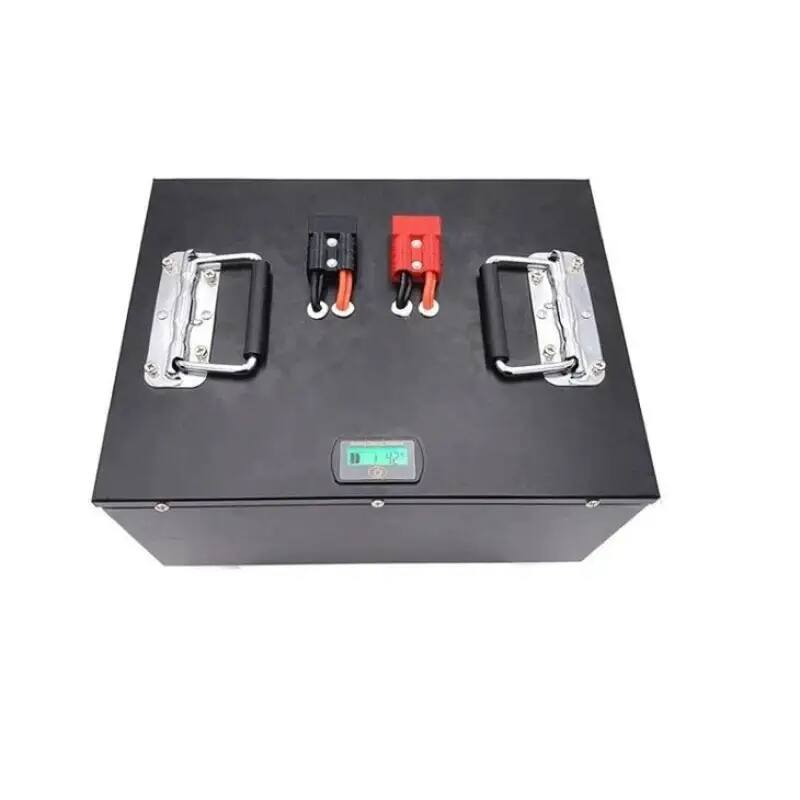
AGV & AMR Battery Pack Supplier and Manufacturer for OEMs
LBC is an AGV battery pack supplier for robotics and material-handling OEMs in the United States, Canada and Mexico. Most AGV and AMR fleets run 24V-class or 48V-class packs. Our 24V-class catalog runs from the 288 Wh ABL-024012P to the 1,536 Wh LBC2460AC and includes a 25.9V 100Ah AGV battery pack (LBC25.9100). Our 48V-class packs run from the 1,440 Wh LBC4830-1 to the 10,240 Wh LBC48200A. CANbus, RS485 or SMBus BMS options are reviewed per design. Catalog programs start at 10 units and custom designs at 25.
LBC / AGV, AMR & Robotics
LBC designs AGV and AMR lithium battery packs for OEM robots and material-handling equipment. We match LFP or NMC chemistry, voltage window, BMS communications, enclosure and connectors to drive loads, regenerative current and charging windows. Catalog packs start at 10 units and custom programs at 25, with lead times confirmed in the quote.
Why choose LBC for agv, amr & robotics battery packs
Continuous, peak and regenerative current
Include drive, acceleration and regenerative current in the load profile.
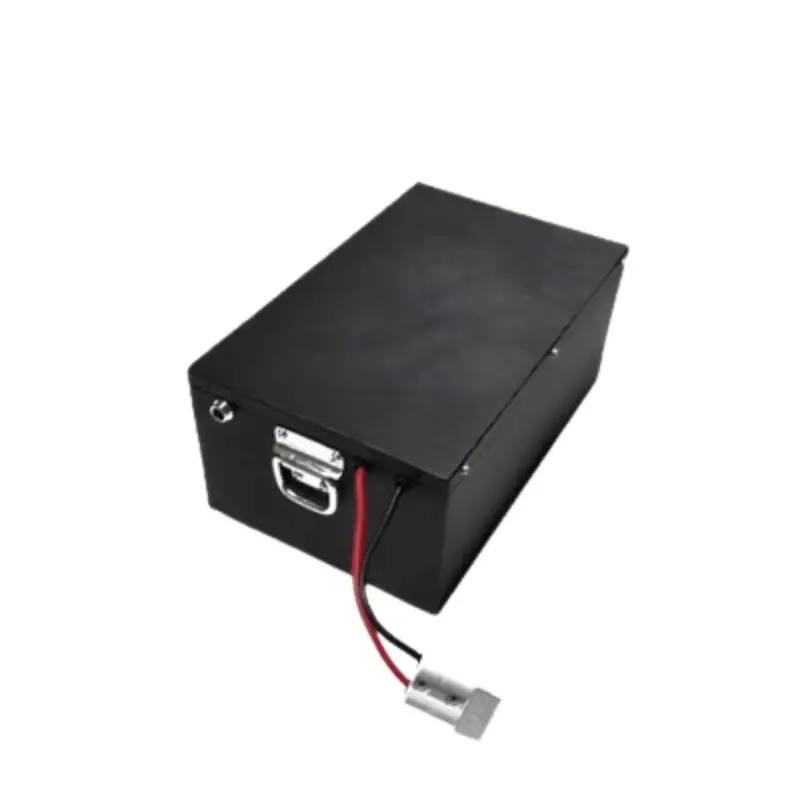
Charging windows and shift runtime
Match shift runtime and opportunity charging to the available charging windows.
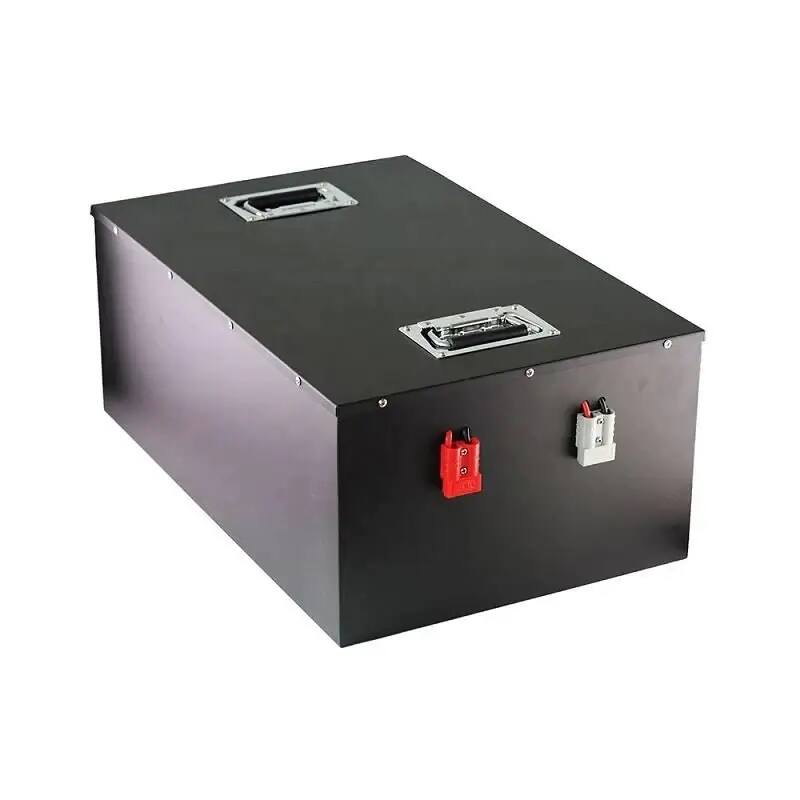
BMS communications and controller interface
Define BMS messages and current limits with the vehicle controller.
Start your spec
Send equipment load, runtime, voltage window, available space and quantities for a pack proposal.
Get a Quote →Design / Integration
Recommended pack types for agv, amr & robotics
LFP and NMC packs matched to drive loads, charging windows and controller interfaces.
Send your voltage window, load, runtime and equipment interfaces.
Get a Quote ↗Catalog from 10 units · Custom from 25.
How custom battery quoting works →AGV & AMR battery packs by specification
| Model | Nominal voltage | Capacity | Energy (nominal) | Chemistry | Best fit |
|---|---|---|---|---|---|
| ABL-024012P | 24V | 12Ah | 288 Wh (nominal) | NMC | Compact AMRs / service robots |
| ABL-024020P | 24V | 20Ah | 480 Wh (nominal) | NMC | Light-duty AMRs |
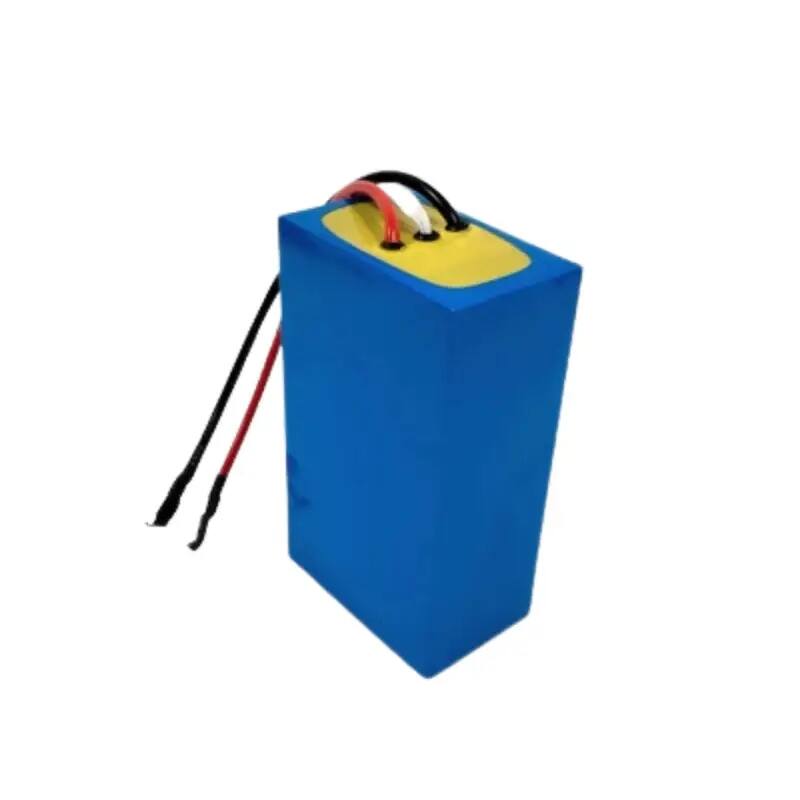 LBC2464A | 22V | 64Ah | 1,408 Wh (nominal) | LFP | AGV drive packs |
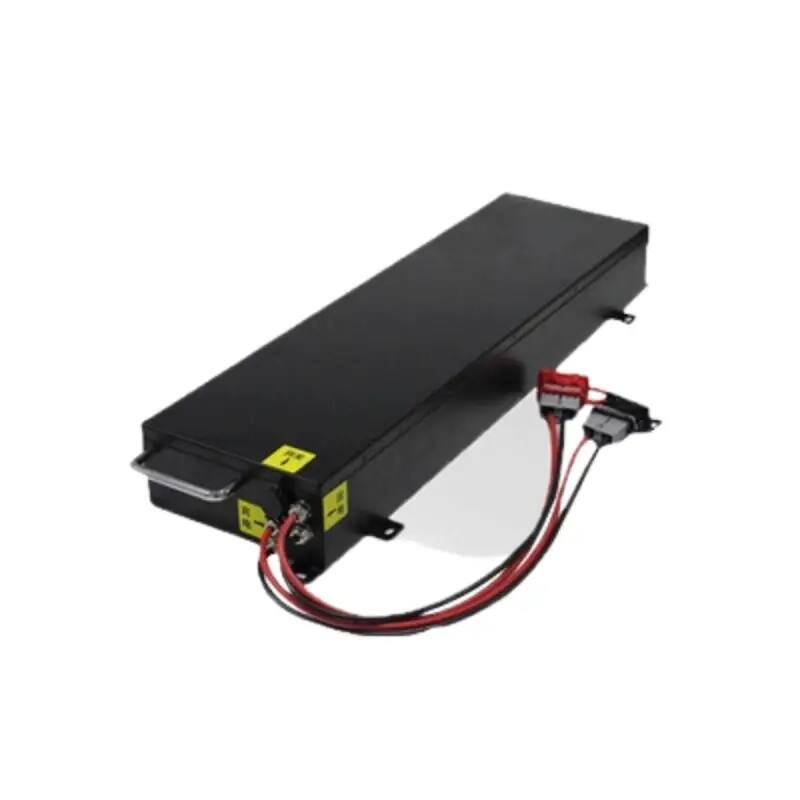 LBC2430A | 25.6V | 30Ah | 768 Wh (nominal) | LFP | Low-profile platform vehicles |
| LBC2440A | 25.6 V | 40 AH | 1,024 Wh (nominal) | LFP | AGV / material handling |
| LBC2460AC | 25.6 V | 60 AH | 1,536 Wh (nominal) | NMC | AGV, 0.5C listed |
| LBC25.9100 | 25.9V | 100Ah | 2,590 Wh (nominal) | LFP | Long-shift 25.9V AGVs |
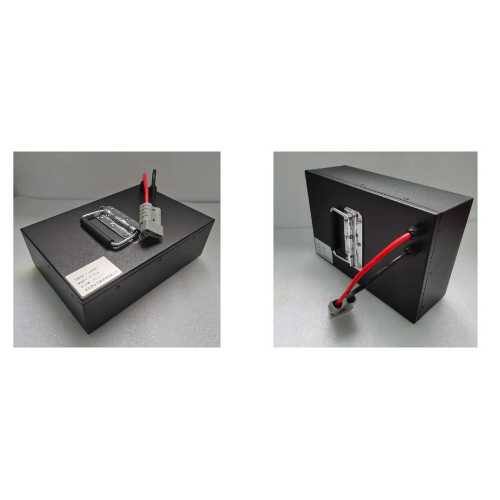 LBC4830-1 | 48 V | 30 Ah | 1,440 Wh (nominal) | LFP | Compact 48V AMRs |
| LBC4830 | 51.2 V | 30 AH | 1,536 Wh (nominal) | LFP | AGV & robotics, 30A listed |
| LBC4841 | 51.2 V | 41.2 AH | 2,109.44 Wh (nominal) | LFP | Mid-size AGVs (91 mm low profile) |
| LBC48200A | 51.2 V | 200 AH | 10,240 Wh (nominal) | LFP | Heavy AGVs / tuggers, 1C listed |
Specifications are catalog values from each product page. Final electrical, mechanical and BMS requirements are confirmed during project review. Catalog from 10 units · Custom from 25.
How to choose an AGV battery pack supplier
- Voltage window match: confirm the controller's min/max voltage. Is it 24V class (25.6V LFP, 25.9V packs) or 48V class (51.2V LFP)?
- Current and regen: check continuous, peak and regenerative current against the BMS limits and connector ratings, not just Ah.
- Charging strategy: opportunity or full charge, dock contacts, and a charger profile approved for the exact series count.
- BMS communications: CANbus/CANopen or RS485 messages for SOC, current limits and faults, mapped to your fleet software.
- Drop-in replacement and volume: send the current pack drawing, connector and protocol for a fit/form/communications review. Catalog programs from 10 units, custom from 25, with lead times confirmed in the quote.
Compare your current pack in the OEM battery cross-reference →
Get a Quote →Lithium Battery Company is an AGV and AMR battery pack manufacturer and supplier for OEMs. We design custom 24V-class (25.6V) and 48V-class (51.2V) LFP and NMC packs for automated guided vehicles, autonomous mobile robots, service robots, floor scrubbers and other material-handling equipment, with the BMS, CAN communication, enclosure and connectors engineered around your motor controller, charger and duty cycle. Since 2014 we've produced hundreds of thousands of packs for OEM programs. Catalog reference designs start at 10 units and custom designs at 25, with lead times of weeks to months confirmed in your quote.
Related: 24V packs · 48V packs · Battery management systems · AGV opportunity-charging guide · LiFePO4 vs lead-acid · Get a Quote
Catalog reference designs start at 10 units and custom designs at 25 units. We support volume OEM programs.
What an AGV or AMR battery pack must handle
- Peak acceleration and lift loads. Average power understates what the pack sees. Acceleration, lifting and climbing create peak currents that cells, conductors, fusing, connectors and the BMS must carry without nuisance trips.
- Regenerative current. If your drive returns energy during braking or lowering, the pack must accept it, especially at high state of charge. BMS charge limits apply to regen, so the controller and charger must respect them.
- Charging windows and opportunity charging. Short top-ups during breaks or at docking stations reduce downtime, but only if charger location, power, schedule and BMS current acceptance line up. Plan the charging strategy with the pack. Read the AGV opportunity-charging guide.
- BMS communication. Fleet software and vehicle controllers need state of charge, current limits and fault status. Specify CAN or another protocol early so the BMS matches your controller.
- Vibration and shock. Floors, ramps and dock plates load the pack mechanically. Cell fixing, busbars and connectors are designed for it.
- Safe fault response. Define what the pack does on over-current, over-temperature or cell faults, and how the robot should respond (slow down, park, or stop).
Choosing voltage and chemistry
Your motor controller sets the voltage window. Most AGV and AMR designs use the 24V class (LFP packs commonly 25.6V nominal) or the 48V class (51.2V nominal); see the 48V battery pack hub and the full catalog.
LFP is the usual choice for multi-shift fleets because of cycle life and thermal stability. NMC fits when weight and volume are the tighter constraint, for example in compact service robots. LFP's voltage curve is very flat, so state of charge relies on current counting that benefits from periodic full charges. Raise this early if your robots rarely reach full charge. Compare LFP and NMC.
Charger and BMS
Match the charger to the pack and BMS limits, including docking-station contacts and communication handshakes for automatic charging. See BMS requirements for custom packs and the lithium charger catalog.
Replacing lead-acid in existing fleets
Many material-handling fleets still run lead-acid. Converting means re-checking the charger, voltage window, ballast or counterweight and the controller's low-voltage cut-off. See lead-acid to LFP replacement.
From prototype to fleet volume
We support a prototype or pilot lot for fit, function and charging validation, then volume production under frozen design and change control. Lead times run from weeks to months depending on cells, design scope and validation; your quote confirms them.
What to send for an AGV or robot battery review
Voltage window, continuous and peak load, regen, runtime per shift, charging method (opportunity, swap or overnight), available space, communications, environment, compliance scope, first-order quantity and annual forecast. Get a Quote.
Related resources
- 48V Battery Pack
- Battery Packs
- Chemistries
- Battery Management System
- Battery Chargers
- Lead Acid Battery Replacement
- Agv Robotics Battery Pack Opportunity Charging Lfp
- Energy Storage
- Telecom
Running forklifts or tuggers too? See lithium forklift battery packs and industrial lithium battery packs.
AGV, AMR & Robotics battery pack FAQ
What voltage do AGV and AMR battery packs use?
It depends on the drive system. Most designs are in the 24V class (25.6V LFP) or the 48V class (51.2V LFP). Confirm your motor controller's voltage window first. 25.9V packs also sit in the 24V class.
Should an AGV or robot pack be LFP or NMC?
LFP is usually chosen for multi-shift fleets because of cycle life and thermal stability. NMC fits compact robots where weight and volume are tighter constraints.
Can the pack support opportunity charging at docking stations?
Yes, if the charger, contacts, schedule and BMS current acceptance are designed together. We specify the charging strategy with the pack.
Can the BMS talk to our fleet software?
The BMS can be specified with CAN or another protocol to report state of charge, current limits and faults to your vehicle controller.
Does LBC sell single AGV batteries?
No. Catalog reference designs start at 10 units and custom designs at 25 units.
What matters when choosing an AGV or AMR battery pack?
Match continuous, peak and regenerative current, shift runtime, charging windows, mechanical fit and BMS communications to the vehicle controller and charger.
Can LBC replace an existing AGV or AMR battery supplier?
Yes. Send the current pack drawing, cell chemistry, voltage window, connector and BMS protocol (for example CANopen or RS485). LBC reviews fit, form and communications against the existing pack and quotes a drop-in or near-drop-in design.
What does LBC need to quote an AGV battery?
Voltage and capacity, peak and continuous current, charging method (opportunity or full charge), enclosure envelope, BMS communications, annual volume and target sample date.
Do you supply a 25.9V AGV battery pack?
Yes. LBC25.9100 is a 25.9V 100Ah catalog design with BMS included, listed at 85 lbs. For 25.6V LFP fleets, LBC2440A (40Ah, 1,024 Wh) and LBC2460AC (60Ah, 1,536 Wh) are 24V-class options. Confirm your controller's voltage window first. Catalog programs start at 10 units and custom designs at 25.