

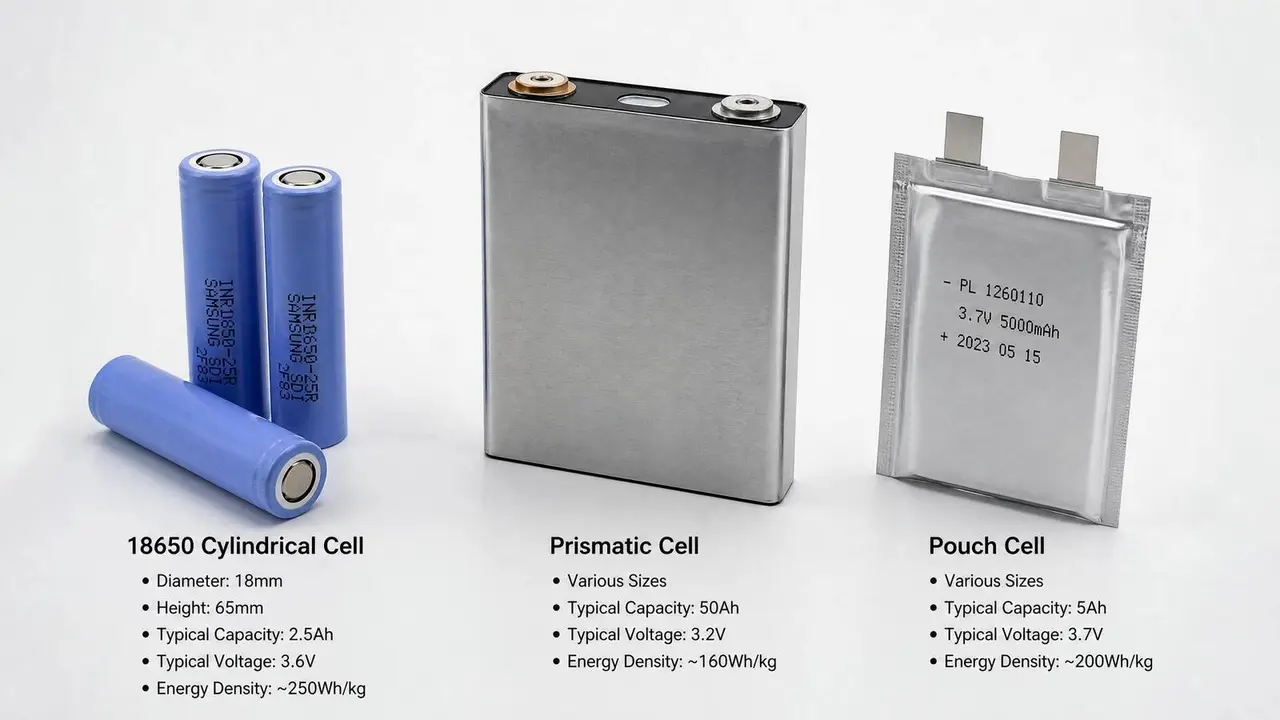
As we become more reliant on electronic devices in our daily lives, we also become increasingly dependent on efficient and reliable power sources. One of the most popular choices for powering our electronics is the lithium-ion battery. Lithium-ion batteries have revolutionized the technology industry, providing a powerful and efficient energy source for all types of devices, including smartphones, laptops, and electric vehicles.
Lithium Battery Market Demand
At Lithium Battery Company, we are committed to providing our customers with the highest quality lithium-ion batteries available on the market. In order to help our customers make informed decisions when choosing the best battery for their needs, we have created the ultimate guide to understanding different types of lithium-ion batteries.
Basic Structure of a Lithium-Ion Battery
First, it is important to understand the basic structure of a lithium-ion battery. The battery contains an anode, cathode, and electrolyte. Lithium ions move from the anode to the cathode during discharge, and from the cathode to the anode during charging. The cathode material is what differentiates the major lithium-ion chemistries from each other.
The Five Major Lithium-Ion Chemistries
1. Lithium Cobalt Oxide (LCO)
Lithium Cobalt Oxide batteries are known for their high energy density, making them ideal for devices that require a lot of power in a small form factor. They are the dominant chemistry in consumer electronics — smartphones, laptops, and tablets. However, they have a shorter lifespan than other types of lithium-ion batteries and are more susceptible to thermal runaway under abuse conditions.
2. Lithium Manganese Oxide (LMO)
LMO batteries have a longer lifespan than LCO batteries and are less likely to overheat. However, they have a lower energy density, making them a better choice for devices that require less power. They are used in some power tools and medical devices.
3. Lithium Iron Phosphate (LFP)
LFP batteries are known for their safety and longer lifespan. The iron-phosphate bond is thermally stable and highly resistant to thermal runaway, making LFP the safest lithium-ion chemistry available. LFP batteries typically deliver 2,000–5,000 charge cycles before reaching 80% capacity. They are the preferred choice for electric vehicles, stationary storage, marine applications, and any program where safety certification is critical.
4. Lithium Nickel Manganese Cobalt Oxide (NMC)
NMC batteries offer a combination of high energy density and long lifespan. They are used in a variety of applications, including smartphones, laptops, electric vehicles, and industrial equipment. NMC is the dominant chemistry for high-performance applications where energy density is the primary requirement.
5. Lithium Titanate (LTO)
LTO batteries are known for their high power output and exceptionally fast charging times — capable of charging to full capacity in minutes rather than hours. They also have an extremely long cycle life, often exceeding 10,000 cycles. However, they have a lower energy density than other types of lithium-ion batteries, making them larger and heavier for equivalent capacity.
Choosing the Right Chemistry
When choosing a lithium-ion battery, it is important to consider the specific needs of your application:
- Maximum energy density in minimum size/weight: NMC or LCO
- Maximum safety and cycle life: LFP
- Maximum fast-charging capability: LTO
- Balance of performance and cost: NMC or LFP
At Lithium Battery Company, we focus exclusively on LFP and NMC/NCM — the two chemistries that matter for serious OEM programs. Our engineering team can help you select the right chemistry and configure the right pack for your specific application.
Contact us today to learn more about our products and services.