
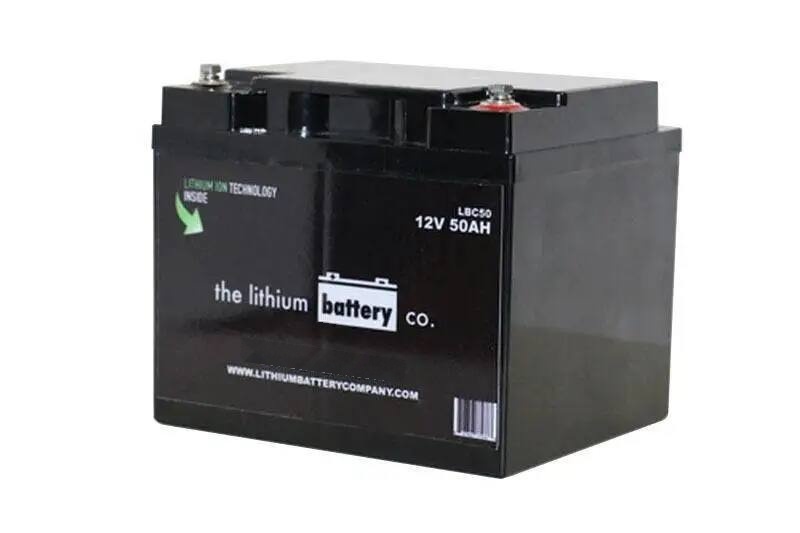
Medical Equipment Lithium Battery Packs for OEMs
Lithium Battery Company supplies 12V/24V-class LFP and NMC battery designs (3.7–28V, 1.5–720Ah) for OEM equipment. CANbus, RS485 and SMBus options are reviewed per design. Catalog programs start at 10 units; custom designs at 25. OEM delivery covers the United States, Canada, and Mexico with UN 38.3 transport documentation.
LBC / Medical Equipment
LBC designs battery packs for equipment OEMs around device load, runtime, enclosure, connectors and charging behavior. Pack chemistry, BMS and mechanical interfaces follow the equipment requirements reviewed during the custom quote. Catalog reference designs start at 10 units and custom programs at 25, with lead times confirmed in the quote.
Why choose LBC for medical equipment battery packs
Device load and runtime
Specify the device load profile and runtime needed between charges.
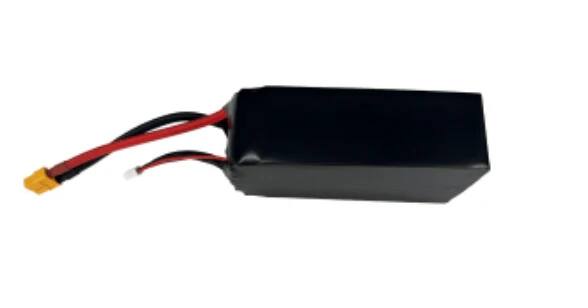
Enclosure, connectors and charger
Match enclosure dimensions, connectors and charging behavior to the device interface.
Validation and documentation scope
Define validation and documentation around the specific device requirements.
Start your spec
Send equipment load, runtime, voltage window, available space and quantities for a pack proposal.
Get a Quote →Design / Integration
Recommended pack types for medical equipment
LFP and NMC packs matched to device load, runtime, enclosure and charging interfaces.
Send your voltage window, load, runtime and equipment interfaces.
Get a Quote ↗Catalog from 10 units · Custom from 25.
How custom battery quoting works →Lithium Battery Company designs and builds custom lithium battery packs for OEMs that make medical carts, monitoring equipment, portable devices, mobility aids and other powered medical equipment. We've been building custom packs since 2014, with hundreds of thousands of packs produced for OEM programs. For a medical program the pack isn't a commodity: it has to fit the enclosure, behave predictably under the device's load, talk to the host, and stay the same pack for the life of the product.
Catalog reference designs start at 10 units and custom packs at 25 units. We don't sell individual replacement batteries as individual retail orders.
What medical OEMs need from a battery pack
- Predictable runtime under the real load. Peak current from motors, pumps, displays or radios matters as much as average draw. We size cells, conductors and protection to your measured load profile, not a nameplate number.
- Accurate state of charge. The host equipment uses the fuel-gauge data. SMBus or CAN reporting, a calibrated gauge and clear low-battery thresholds are specified with the pack, not added later.
- Safe fault behavior. Over-current, short-circuit, over-temperature and cell-imbalance responses are defined up front, along with how the device should react.
- Charging that fits the workflow. Charging in the device, on a cart, or in an external charger each puts different limits on the BMS and on charge temperature.
- Documentation for your device file. Drawings, a bill of materials, BMS settings, test limits and lot traceability, so your quality team can reference the pack design.
- No silent changes. Cells, BMS firmware and construction stay frozen once approved. Any change goes through documented change control first.
Chemistry and voltage for medical equipment
Most medical equipment packs fall into two groups:
- Compact NMC/Li-ion packs (roughly 10.8–14.8V, a few Ah to about 25Ah) for portable and handheld devices, where weight and volume matter most.
- LFP packs (12.8V and 25.6V classes) for carts, mobile workstations and equipment that values long service life and thermal stability over size.
Compare the trade-offs on our LFP vs NMC chemistry page, and see BMS design for custom packs for communications and protection.
Example catalog packs to start a review (reference values; final specification confirmed in project review):
Standards and testing
Your device standard sets requirements for the battery, and shipping a lithium pack has its own transport-testing requirements. We review the requirements your program calls out and scope the pack-level testing and documentation with you. Pack design, documentation scope and equipment interfaces are reviewed during the custom quote.
How a medical battery program works
- Requirements review: device, load profile, runtime, envelope, connector, communications, charging method, operating and storage temperature, and the standards your program references.
- Design and prototype: cell selection, BMS configuration, enclosure and wiring, with prototypes for fit and function in your device.
- Validation: electrical, charging, protection and environmental checks against agreed limits, plus the documentation package.
- Pilot and production: a pilot lot, then volume under frozen design and change control.
Lead times run from weeks to months depending on cells, design scope and validation; your quote confirms them.
What to send
Device type, voltage window, continuous and peak current, runtime, available space, connector, communications (SMBus, CAN or none), charger, temperature range, referenced standards, first-order quantity and annual forecast. Get a Quote or Get a Quote.
Related resources
Medical Equipment battery pack FAQ
Do you make custom battery packs for medical equipment OEMs?
Yes. We design and build custom lithium packs for medical equipment OEMs, from compact NMC packs for portable devices to LFP packs for carts and mobile workstations. Custom programs start at 25 units.
Which chemistry is better for medical equipment, LFP or NMC?
NMC usually wins on size and weight for portable devices. LFP is often chosen for carts and equipment where long service life and thermal stability matter more than weight. The load profile and envelope decide.
Can the battery report state of charge to my device?
Yes. The BMS can be specified with SMBus or CAN communication and a calibrated fuel gauge, matched to your host electronics.
What is the minimum order and lead time?
Catalog reference designs start at 10 units and custom packs at 25. Lead times run from weeks to months; your quote confirms them.
What information is needed for a medical equipment battery design?
Specify the device load, runtime, battery interface, enclosure dimensions, connectors, charging behavior, environment, project requirements and quantities.
Can LBC design a pack around an existing device enclosure?
Mechanical fit, connector position and the battery interface are part of the design review. Send the available dimensions, drawings and device requirements with your inquiry.