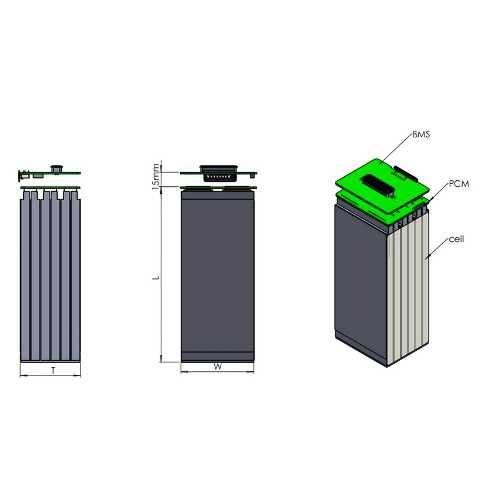
70V 10Ah LiFePO4 (LFP) Battery Pack — LBC7010
LBC7010
- Voltage
- 70V
- Capacity
- 10Ah
- Chemistry
- LFP
- Energy
- 700 Wh (nominal)
- Approx. weight
- 2.5 lbs

Lithium Battery Company · OEM Battery Programs
Lithium Battery Company supplies 72V-class LFP and NMC battery designs (60–76.8V, 10–205Ah) for OEM equipment. CANbus, RS485 and SMBus options are reviewed per design. Catalog programs start at 10 units; custom designs at 25. OEM delivery covers the United States, Canada, and Mexico with UN 38.3 transport documentation.
Compare 72V-class LiFePO4 and NMC battery packs from 10Ah to 200Ah, then send your voltage window and load for a matched design.
Lithium Battery Company designs and builds 72V lithium battery packs for OEM electric vehicles, industrial equipment and energy systems. Our 72V-class catalog covers LiFePO4 (LFP) packs from 30Ah to 200Ah, most at 73.6V or 76.8V nominal, including 72V 60Ah, 100Ah and 200Ah LiFePO4 reference designs, and NMC lithium-ion packs at 72V nominal from 10Ah to 60Ah. Each pack's battery management system, charger, connectors and enclosure are matched to your controller and duty cycle. Since 2014 we've produced hundreds of thousands of packs for OEM programs. Catalog reference designs start at 10 units and custom designs at 25, with lead times of weeks to months confirmed in your quote.
Send your voltage window, continuous and peak current, runtime and quantity, and we'll recommend a 72V design.
LBC supplies OEM battery programs across North America — the United States, Canada, and Mexico. Catalog programs start at 10 units and custom programs at 25.
Cross-border commercial ground freight, UN 38.3 transport documentation support and commercial shipping requirements are reviewed for your OEM program. See how we support OEM battery supply in Canada and Mexico and maquiladora programs.
Discuss delivery requirements →FAQ / NORTH AMERICA
Yes — LBC supplies commercial OEM and fleet battery programs across the United States, Canada, and Mexico with full UN 38.3 transport documentation and cross-border ground freight support.
Every production program includes UN 38.3 transport test documentation, MSDS/SDS, and Class 9 hazardous materials shipping support.
Catalog battery pack programs start at 10 units and custom-engineered battery pack programs start at 25 units.
Replacing a pack from another supplier? Match its voltage, capacity and connector in the OEM battery cross-reference, then request a drop-in quote.
LBC7010
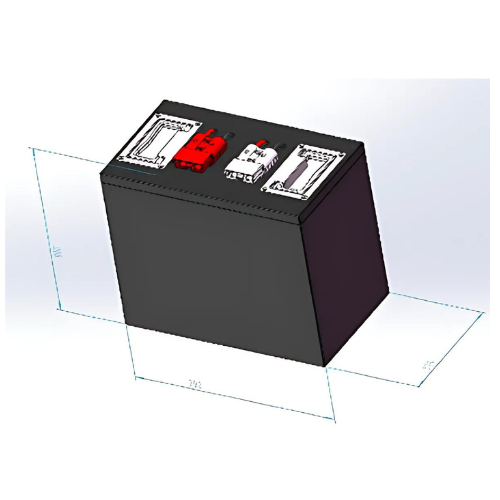
LBC7260C
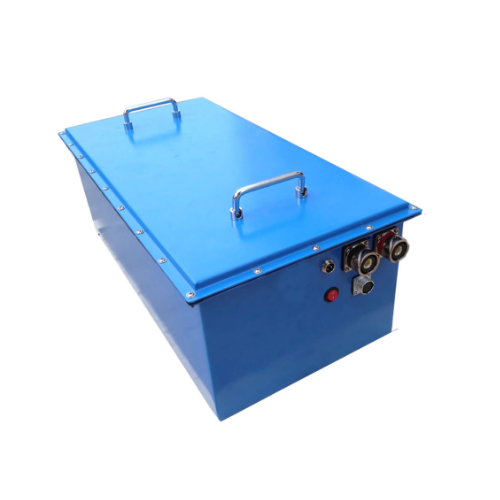
LBC72150
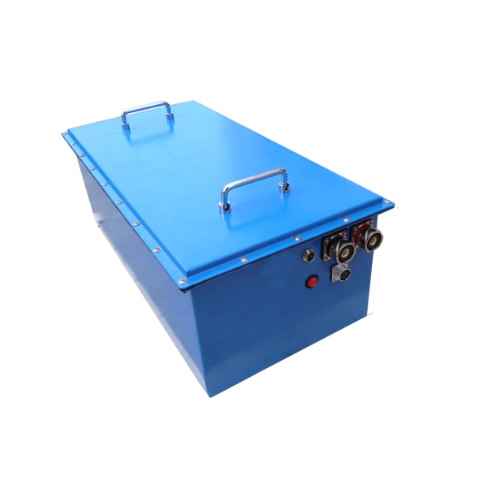
LBC72200
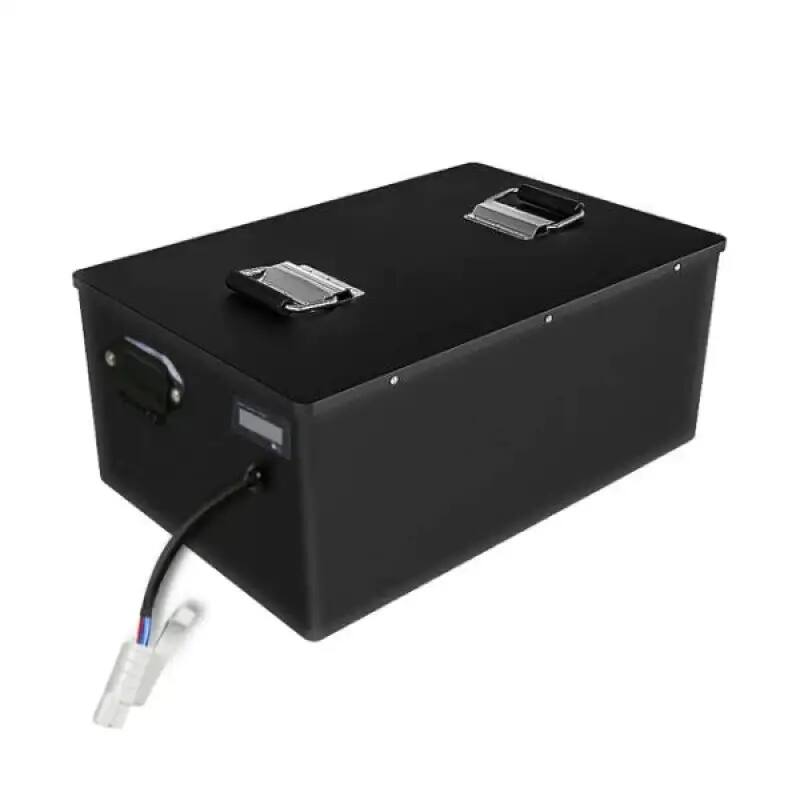
LBC7260
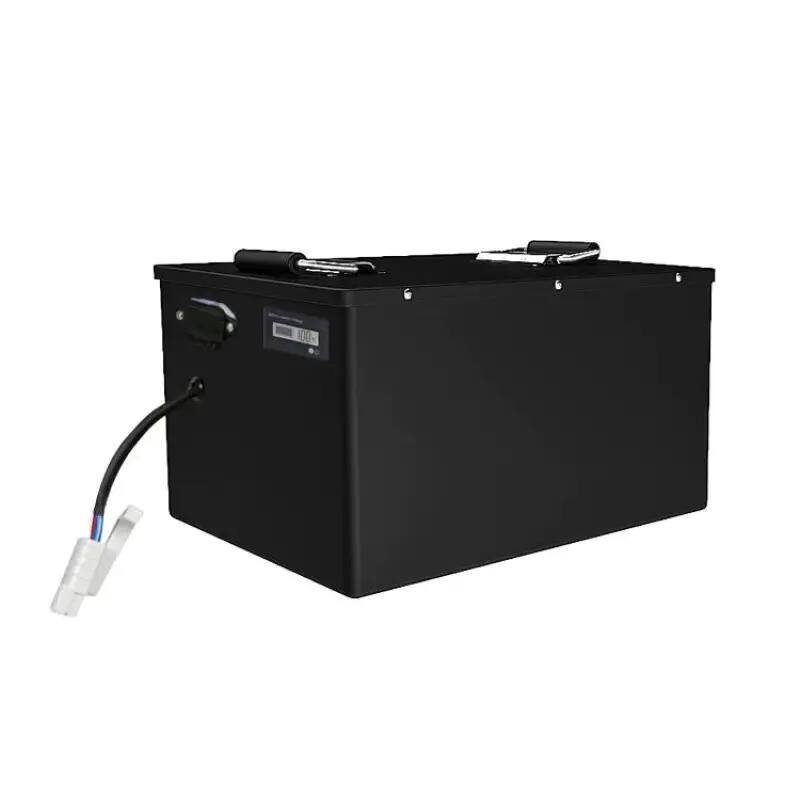
LBC7230V
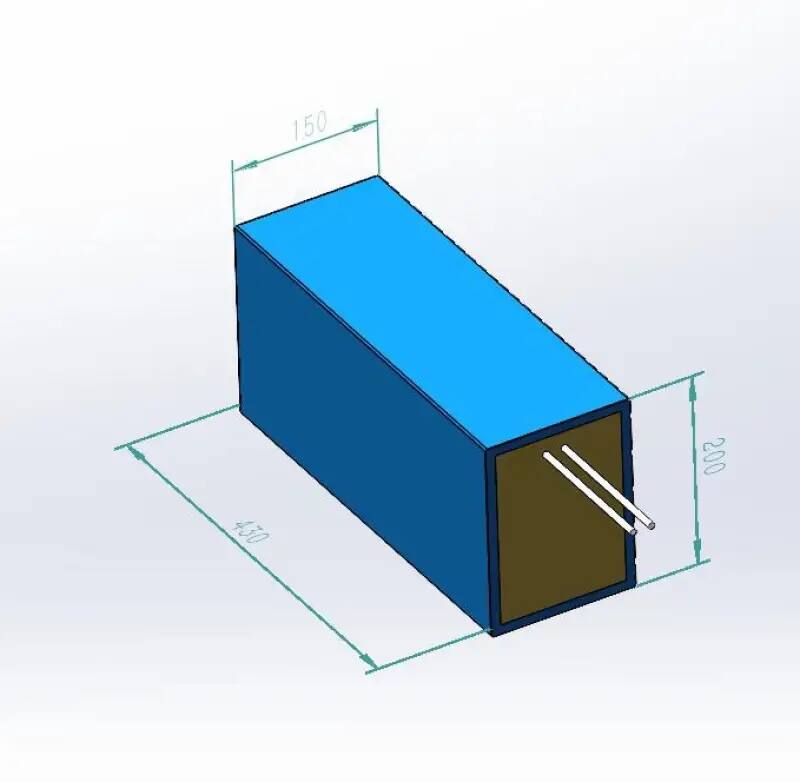
LBC7252
LBC7270V
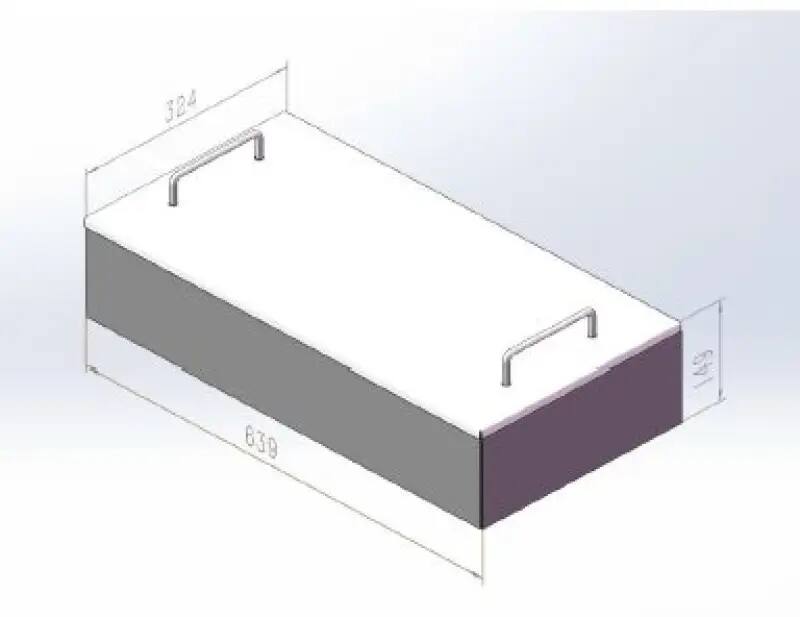
LBC74100
LBC76205
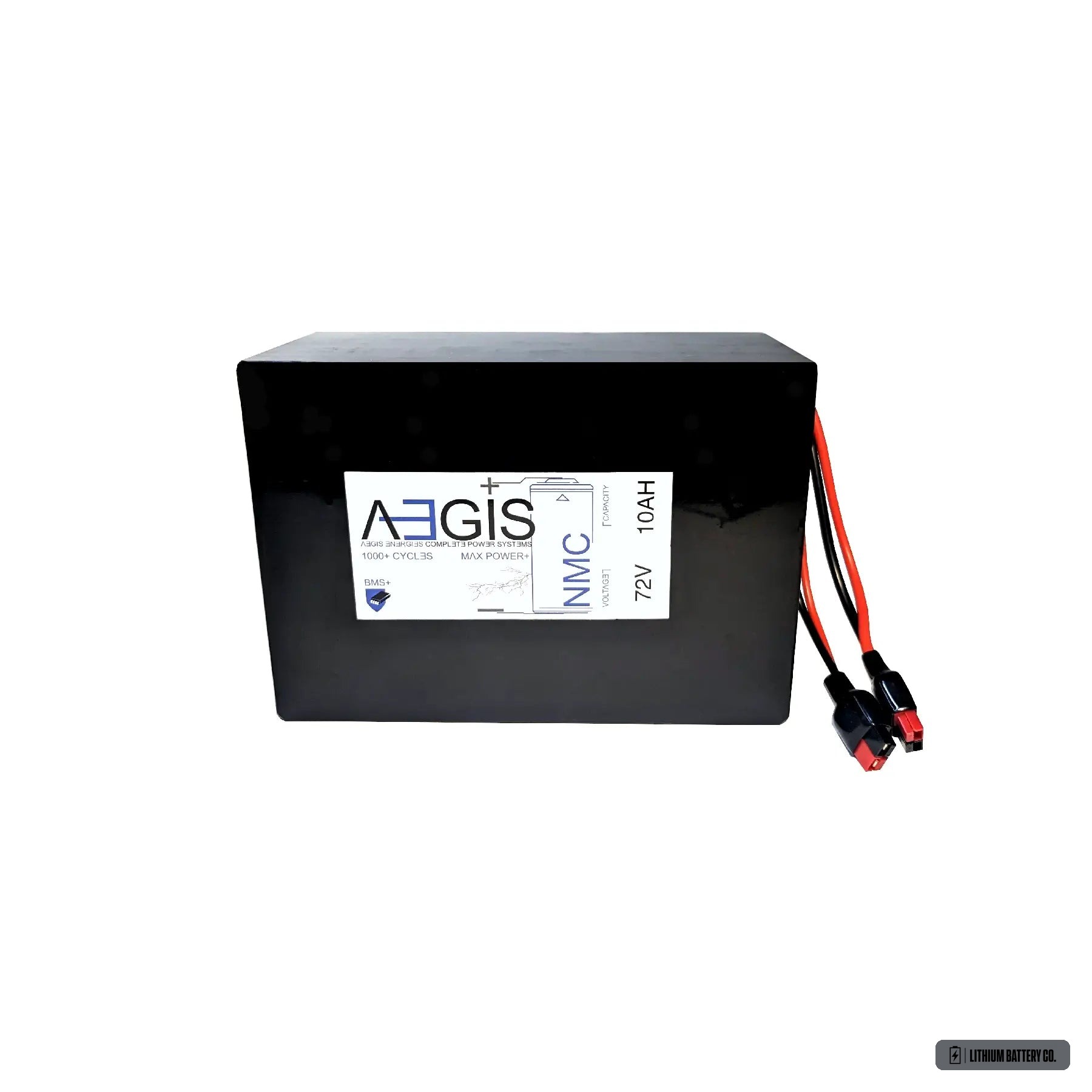
ABL-072010A
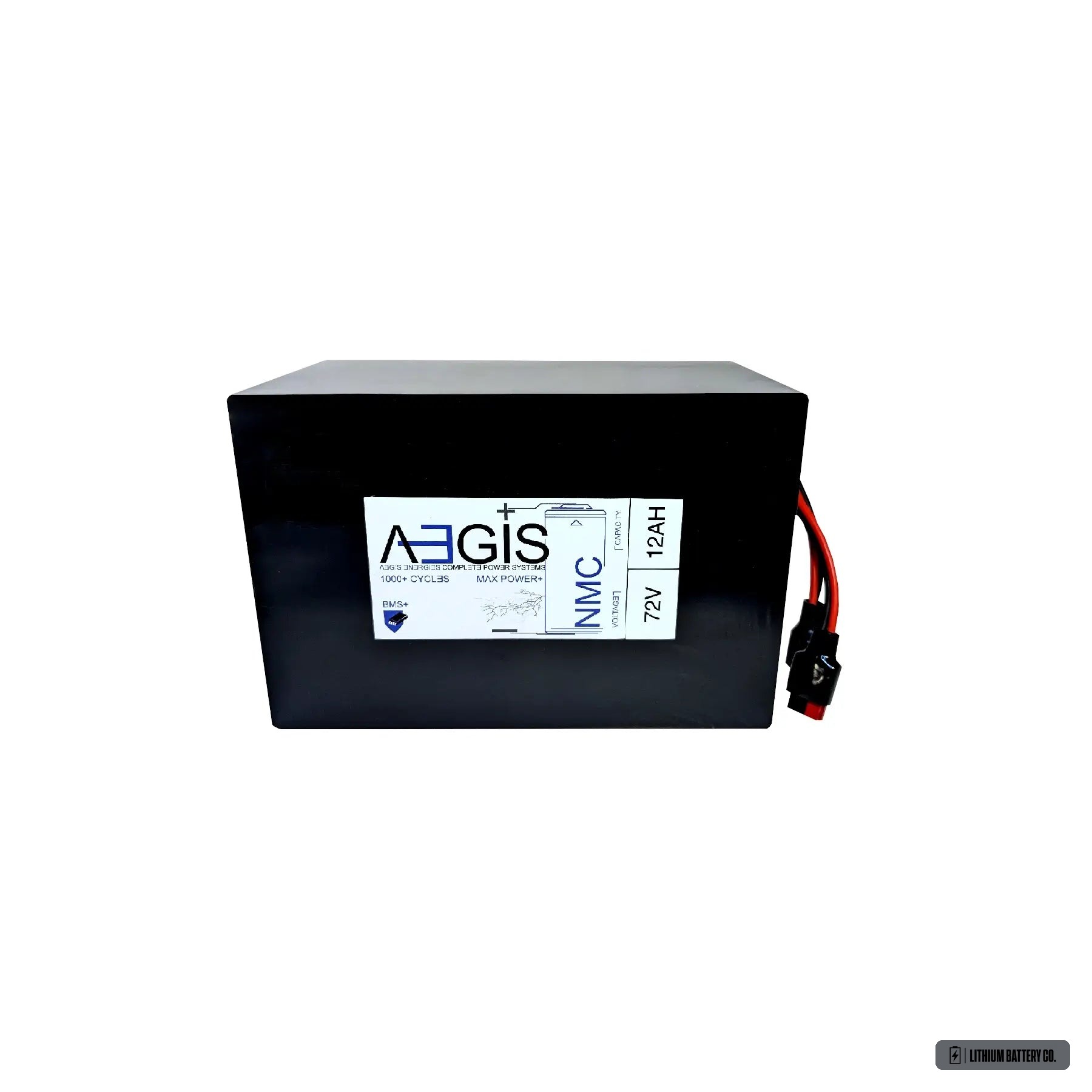
ABL-072012A
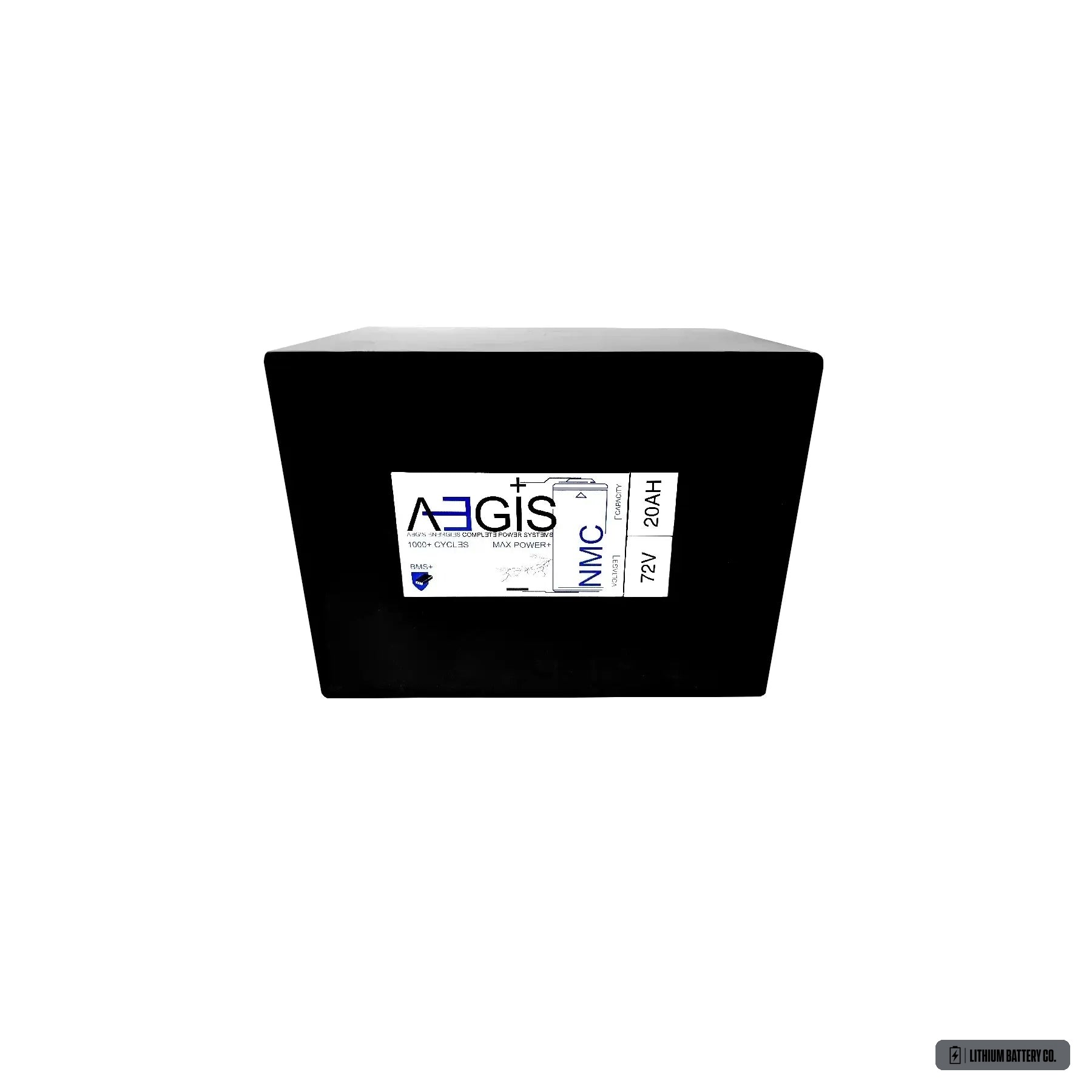
ABL-072020A
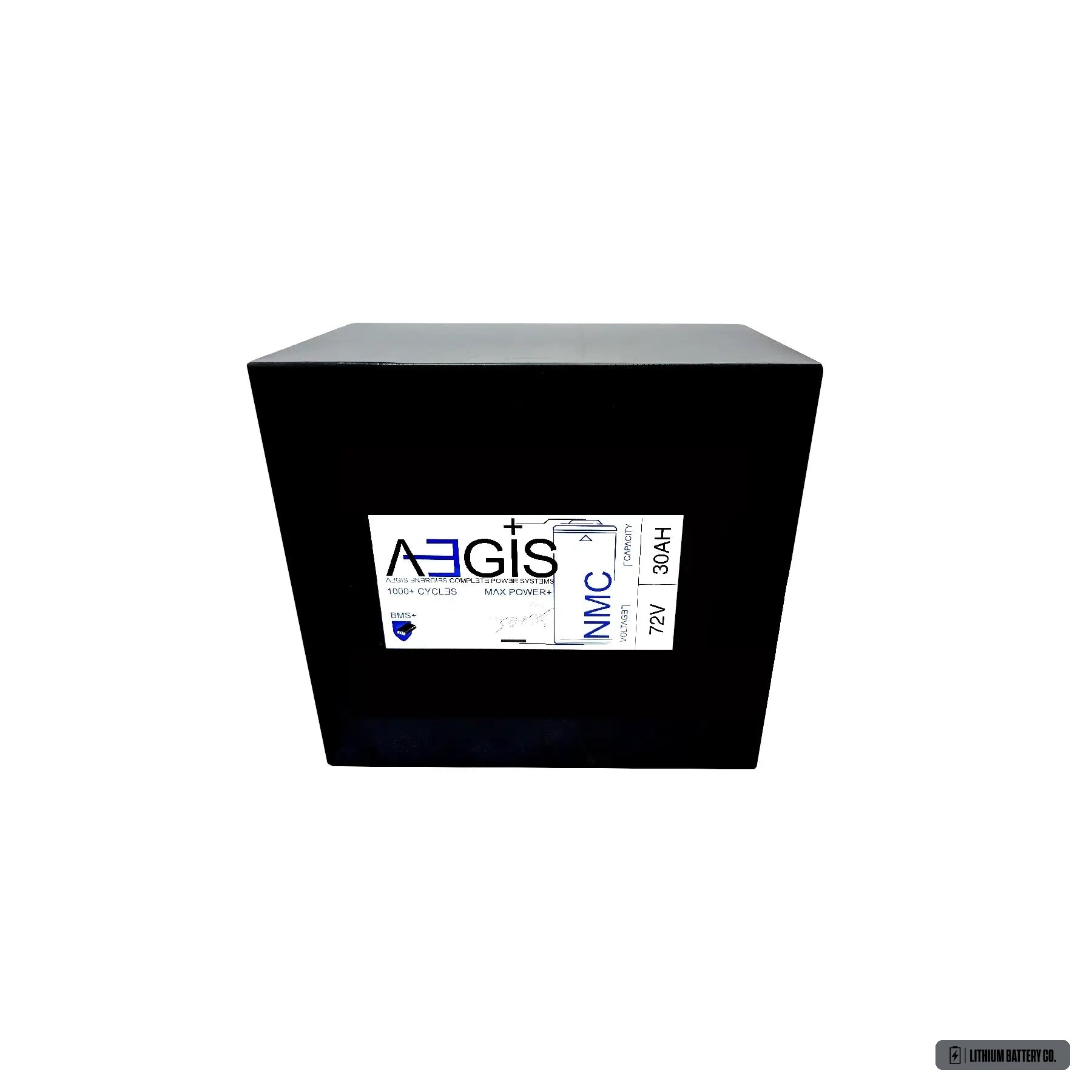
ABL-072030A
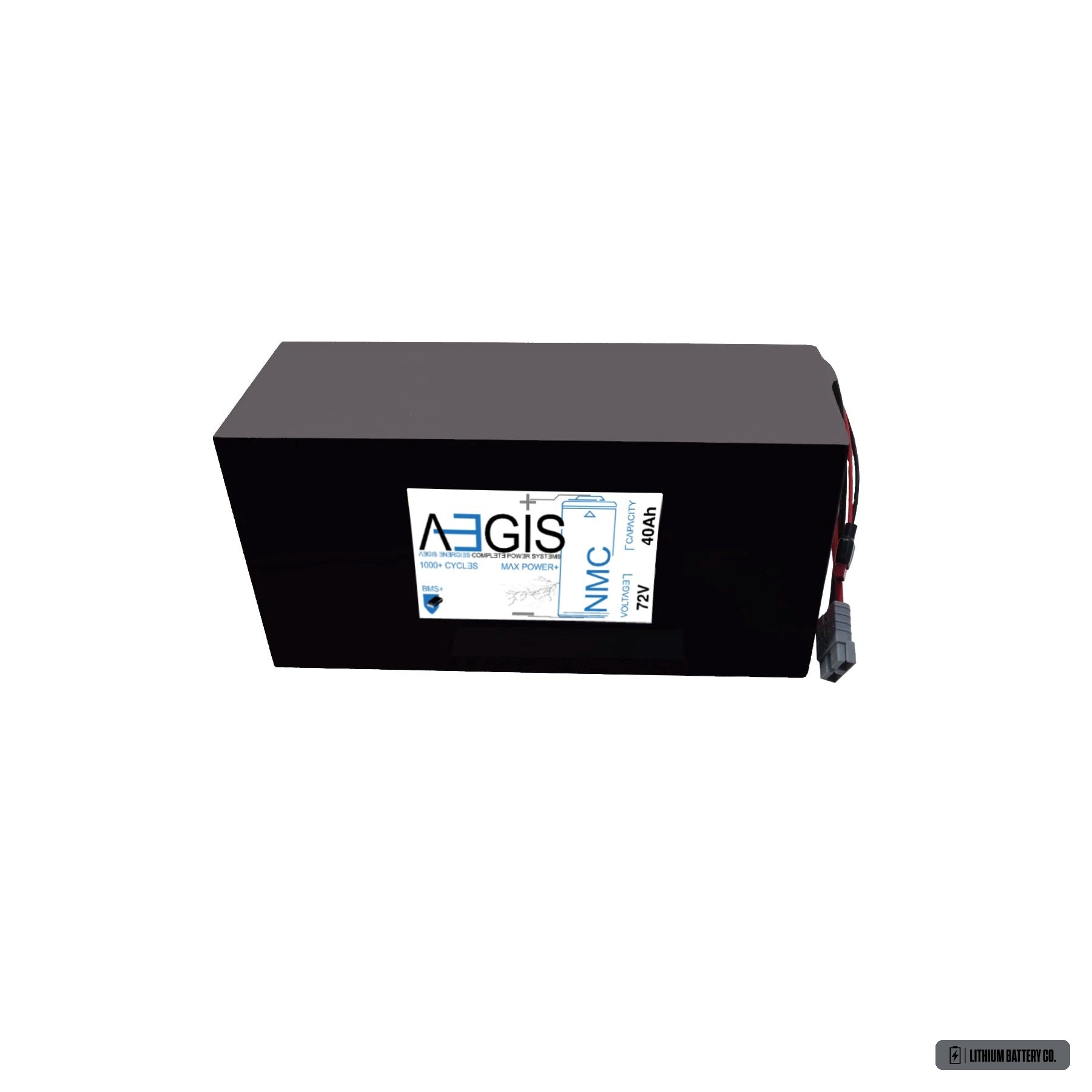
ABL-072040A
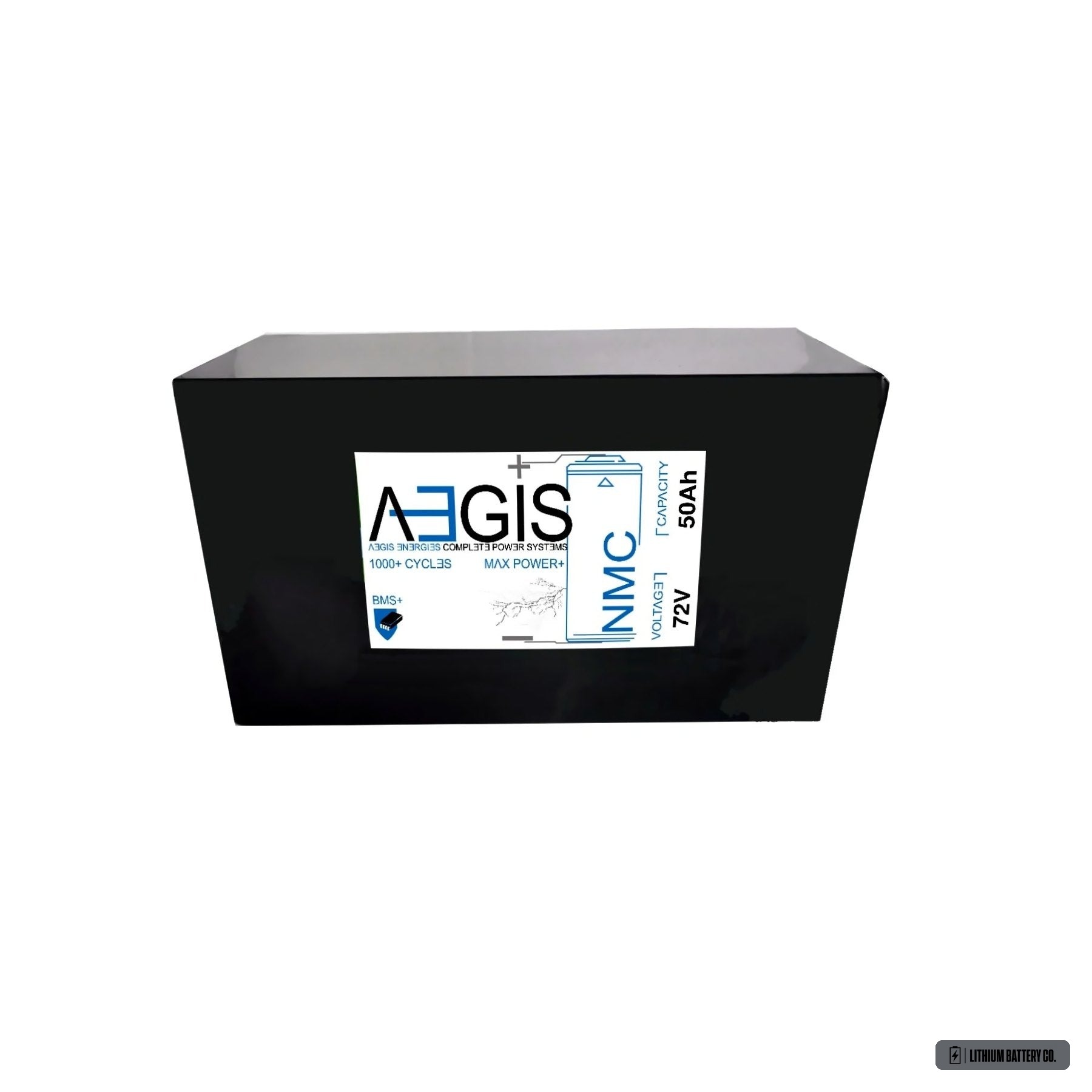
ABL-072050A
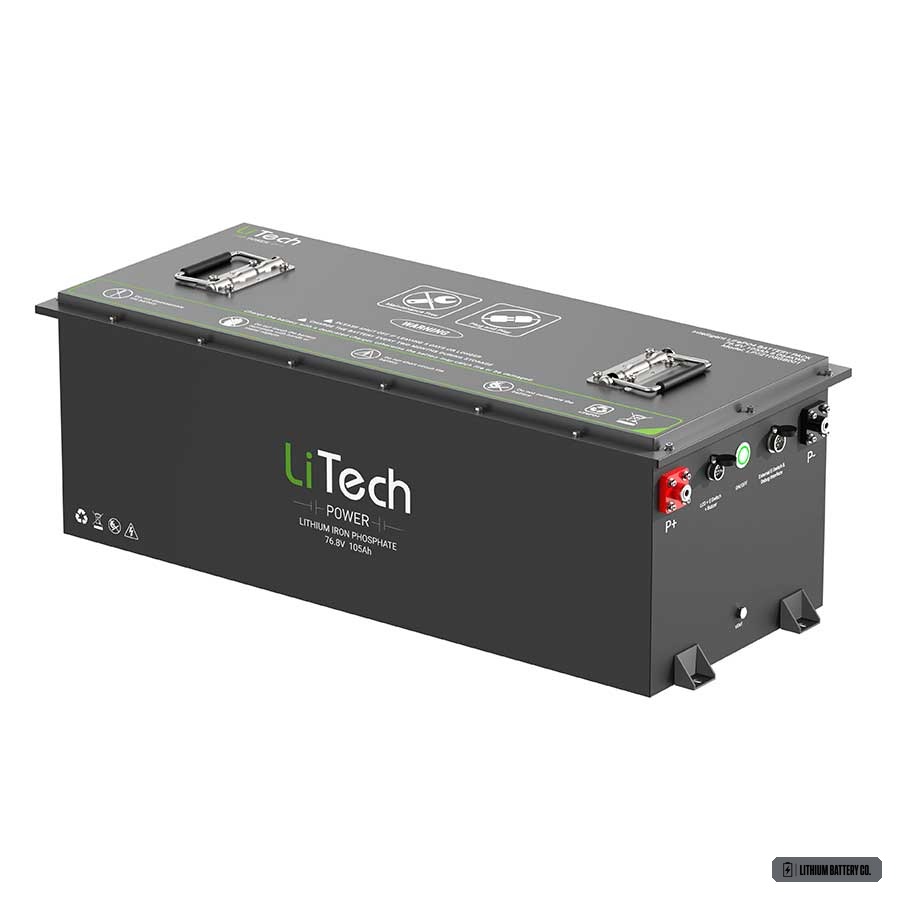
LBC76105W
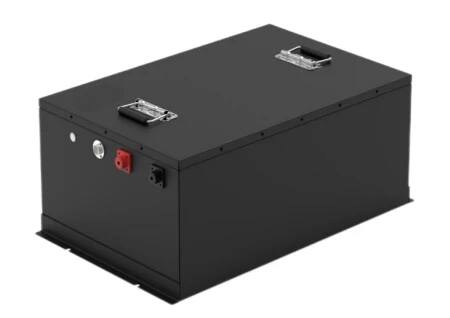
LBC73.6100
| Model / Link | SKU | Nominal Voltage (V) | Capacity (Ah) | Energy (Wh / kWh) | Chemistry | Rated discharge current (A / C) |
|---|---|---|---|---|---|---|
| 60V 40Ah LiFePO4 Lithium Battery Pack (2.4 kWh) | LBC6040 | 60V | 40Ah | 2,400 Wh (nominal) | LFP | — |
| 60V 68AH Lithium Ion Battery | LBC6068 | 60V | 68Ah | 4,080 Wh (nominal) | LFP | — |
| 60V 150Ah LiFePO4 Lithium Battery Pack | LBC60150 | 60V | 150Ah | 9,000 Wh (nominal) | LFP | — |
| 70V 10,000mAh Lithium Ion Battery | LBC7010 | 70V | 10Ah | 700 Wh (nominal) | LFP | 40A (Continuous Current)80A (Instantaneous Current ≤10S) |
| 64V 30Ah Lithium Sweeper Battery Pack | LBC6030A | 64V | 30Ah | 1,920 Wh (nominal) | LFP | 1 C |
| 72V 60Ah NMC Lithium Battery Pack | LBC7260C | 72V | 60Ah | 4,320 Wh (nominal) | NMC | — |
| 72V 60Ah LiFePO4 Battery Pack for OEM Equipment | LBC7260 | 73.6V | 60Ah | 4,416 Wh (nominal) | LFP | 1 C |
| 73.6V 100AH LFP Battery Pack | LBC73.6100 | 73.6V | 100Ah | 7,360 Wh (nominal) | LFP | 100 A |
| 72V 150AH Lithium Ion Battery | LBC72150 | 72V | 150Ah | 10,800 Wh (nominal) | LFP | — |
| 72V 200Ah LiFePO4 Lithium Battery Pack (76.8V) | LBC72200 | 76.8V | 200Ah | 15,360 Wh (nominal) | LFP | — |
| 76.8V 30AH Lithium Electric Car Battery | LBC7230V | 76.8V | 30Ah | 2,304 Wh (nominal) | LFP | 1 C |
| 76.8V 52AH NCM Battery Pack | LBC7252 | 76.8V | 52Ah | — | NMC | 20A |
| 72V 70Ah LiFePO4 Battery Pack for OEM Equipment | LBC7270V | 76.8V | 70Ah | — | LFP | — |
| 76.8V 100AH Lithium Ion Battery for Power Excellence | LBC74100 | 76.8V | 100Ah | 7,680 Wh (nominal) | LFP | 150A |
| 72V 105Ah LiFePO4 Battery Pack for Golf Car & LSV OEMs | LBC76105W | 76.8V | 105Ah | 8,064 Wh (nominal) | LFP | 200A |
| 76V 205AH Lithium Ion Battery | LBC76205 | 76.8V | 205Ah | 15,744 Wh (nominal) | LFP | 200 A (peak 300 A 3S) |
| 60V 10Ah Lithium Ion Battery Pack | ABL-060010A | 60V | 10Ah | 600 Wh (nominal) | NMC | — |
| 60V 12Ah Lithium Ion Battery Pack | ABL-060012P | 60V | 12Ah | 720 Wh (nominal) | NMC | — |
| 60V 12Ah Long Lithium Ion Battery Pack | ABL-060012PL | 60V | 12Ah | 720 Wh (nominal) | NMC | — |
| 60V 15Ah Lithium Ion Battery Pack | ABL-060015P | 60V | 15Ah | 900 Wh (nominal) | NMC | — |
| 60V 20Ah Lithium Ion Battery Pack | ABL-060020P | 60V | 20Ah | 1,200 Wh (nominal) | NMC | — |
| 60V 30Ah Lithium Ion Battery Pack | ABL-060030A | 60V | 30Ah | 1,800 Wh (nominal) | NMC | — |
| 60V 40Ah Lithium Ion Battery Pack | ABL-060040A | 60V | 40Ah | 2,400 Wh (nominal) | NMC | — |
| 60V 50Ah Lithium Ion Battery Pack | ABL-060050A | 60V | 50Ah | 3,000 Wh (nominal) | NMC | — |
| 60V 60Ah Lithium Ion Battery Pack | ABL-060060A | 60V | 60Ah | 3,600 Wh (nominal) | NMC | — |
| 72V 10Ah Lithium Ion Battery Pack | ABL-072010A | 72V | 10Ah | 720 Wh (nominal) | NMC | — |
| 72V 12Ah Lithium Ion Battery Pack | ABL-072012A | 72V | 12Ah | 864 Wh (nominal) | NMC | — |
| 72V 20Ah Lithium Ion Battery Pack | ABL-072020A | 72V | 20Ah | 1,440 Wh (nominal) | NMC | — |
| 72V 30Ah Lithium Ion Battery Pack | ABL-072030A | 72V | 30Ah | 2,160 Wh (nominal) | NMC | — |
| 72V 40Ah Lithium Ion Battery Pack | ABL-072040A | 72V | 40Ah | 2,880 Wh (nominal) | NMC | — |
| 72V 50Ah Lithium Ion Battery Pack | ABL-072050A | 72V | 50Ah | 3,600 Wh (nominal) | NMC | — |
Explore 72V designs by capacity, chemistry and equipment requirements.
Compare LFP and NMC chemistry, specify BMS protection and communications, and review charger compatibility.
Send a 72V battery project brief or browse application examples.
A “72V battery” is a voltage class, not a complete specification. The actual nominal and full-charge voltage depends on chemistry and series count, so the battery, BMS, charger, controller, contactors, cabling, and connected equipment must be reviewed as one electrical system.
Start with continuous and peak power, duty cycle, target runtime, usable state-of-charge window, reserve, temperature, and lifecycle goals. Amp-hours alone can be misleading unless the voltage and load profile are included.
Document peak discharge, regenerative or charge current, pre-charge, contactors, fusing, service disconnects, isolation, communications, connector ratings, thermal limits, ingress, vibration, and fault behavior. High-power mobility and industrial systems often fail at the interfaces rather than at the cell-energy calculation.
Provide the application, voltage window, continuous and peak load, runtime, charger, controller, available space, weight target, environment, connectors, communications, compliance requirements, first-order quantity, annual volume, and target milestone.
A 72V-class system can use 22S–24S LiFePO4 architectures at about 70.4V–76.8V nominal, or a 20S NMC architecture at about 72V nominal. Match the controller’s complete operating voltage window and the charger profile to the selected chemistry and series count.
Energy in watt-hours is nominal voltage multiplied by amp-hours: Wh = V × Ah. Review continuous and peak current, duty cycle, required runtime and operating temperature together. Send the load profile and available space so the pack can be matched to your equipment.
72V-class packs support heavy industrial vehicles, utility platforms and high-power traction equipment. Review industrial battery pack requirements and send your continuous and peak load, available space and charging conditions for an OEM design review.
Request a Quote →Catalog candidates by chemistry and series count. LBC confirms the charge profile and BMS limits; listing a charger does not approve compatibility.
These references use other voltage windows or configurable outputs. They are not approved matches for this hub class. Request an engineering review of the exact pack voltage.
Need a modified version? Talk to our battery pack manufacturing team about your OEM requirements.
Custom lithium battery pack design starts with the equipment voltage window, load profile, required runtime, charger and mechanical envelope. LBC supports LFP and NMC pack design, BMS integration and custom manufacturing for qualified OEM volume programs.
Ready to quote a 72V pack? Send your voltage window, continuous and peak current, runtime, space and annual volume. Catalog reference designs start at 10 units and custom designs at 25, with lead times of weeks to months confirmed in your quote.
Catalog programs start at 10 units. Custom battery pack design and manufacturing programs start at 25 units.
Include the equipment application, operating voltage, continuous and peak load, runtime or capacity, charger, available space, BMS communications, first-order quantity and annual volume.
LiFePO4 (LFP) is usually chosen when long cycle life and thermal stability matter most, such as industrial vehicles, utility equipment and energy storage. NMC is usually chosen when energy density and weight drive the design. Our 72V catalog covers LFP from 30Ah to 200Ah and NMC from 10Ah to 60Ah. Send your load and runtime and we'll recommend one. See LFP vs NMC chemistry.
It depends on the chemistry. LiFePO4 cells are 3.2V nominal, so a 72V-class LFP pack is 22 cells in series (70.4V), 23 (73.6V) or 24 (76.8V); our LFP catalog packs are mostly 73.6V and 76.8V. NMC cells are about 3.6V nominal, so a 72V NMC pack is usually 20 cells in series (72V nominal, 84V at full charge).
One matched to the pack's chemistry and series count. A 24S LiFePO4 pack (76.8V) charges to 87.6V, a 23S LiFePO4 pack (73.6V) to about 84V, and a 20S NMC pack to 84V. The chargers listed on this page are grouped by output voltage and chemistry; we confirm the charge profile against the BMS limits before you order.
The battery management system is matched to the cell count and chemistry, continuous and peak current, charge limits, temperature sensors, cell balancing and fault response, and to any CAN or other communications with your controller. At 72V, the design also has to cover pre-charge, contactors, fusing, service disconnects and isolation. See battery management systems.
Yes, 76.8V is a 72V-class LiFePO4 pack with 24 cells in series. It charges to about 87.6V, so confirm your controller and charger accept the full voltage window, not just the 72V label.
389LFP & NMC reference designs